

How does baby sleep change in the 2nd month?
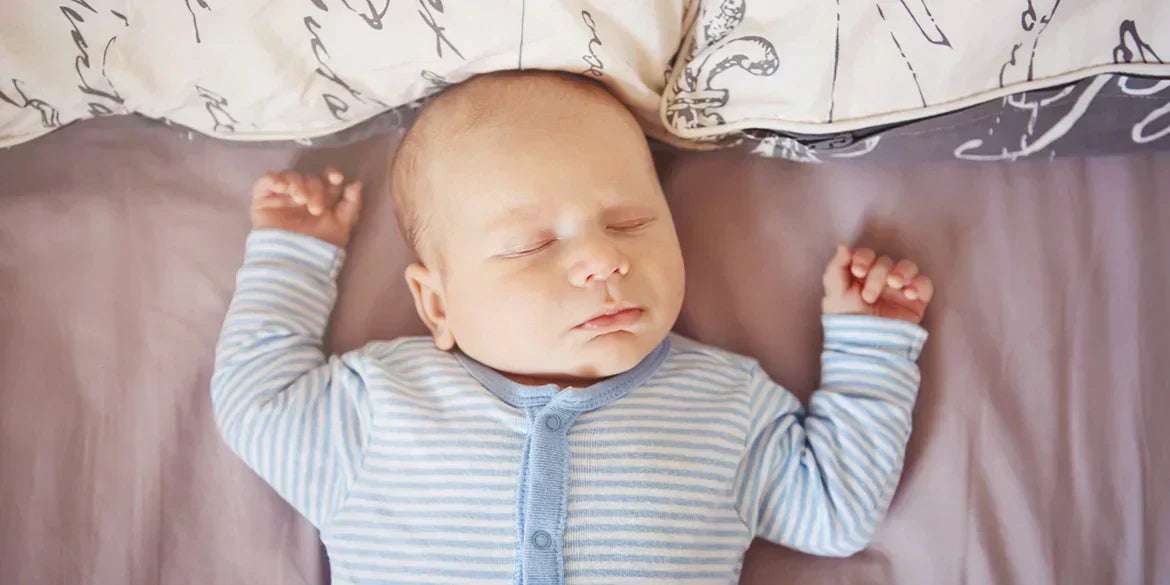
In the second month, the basic baby sleep gradually begins to change. Although the days are still characterized by short rest phases, the first patterns in the sleep rhythm become recognizable. Especially at night, longer sleep phases of two to three hours – sometimes more – appear more frequently. This development is individual and varies for every baby.
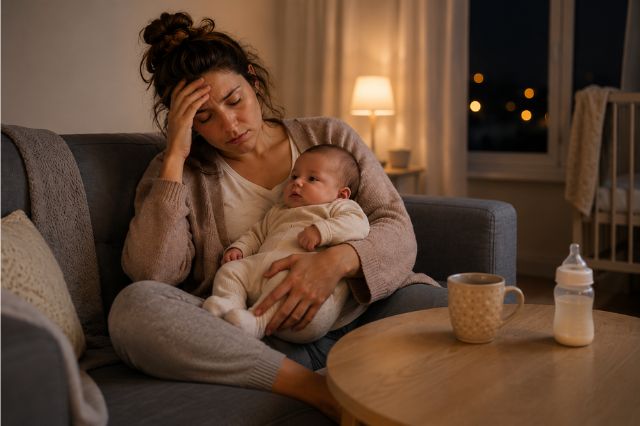
During the day, your baby still needs several naps. Overall, it still sleeps a lot, but waking phases are used more purposefully – for drinking, cuddling, or perceiving the environment. Tiredness is often shown by yawning, fidgeting, or looking away. Responding early to these signals from your baby can help avoid over-tiredness and gently structure the day.
Generally, it is recommended that babies at this age get an average sleep duration of 14 to 17 hours per day – depending on temperament, the course of the day, and the need for closeness.
In the second month, the first sleep patterns appear: babies usually sleep 14 to 17 hours daily, with longer night rests and more awake moments during the day.

Will my baby sleep longer at night now?
In the second month, as already mentioned, many babies sleep two to three hours at a time at night. Some experience their first longer sleep phases, while others need closeness or food more frequently – both are completely normal and individually different.
During the day, a rhythm with naps between 20 minutes and two hours usually emerges. Paying attention to signs of tiredness – such as yawning, restlessness, or rubbing eyes – helps to better estimate the waking phases and make the day calmer.
As they get older, your baby begins to perceive the day-night difference more clearly. Studies show that in the second to third month, a conscious day-night rhythm develops in the majority of babies – an extremely important developmental step.
What helps with falling asleep and staying asleep at this age?
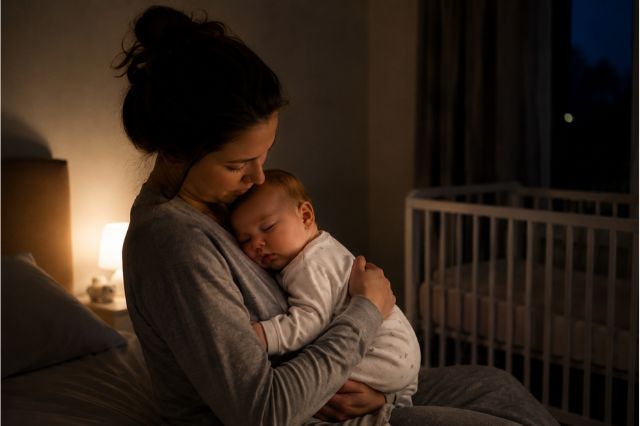
A consistent daily routine with clear bedtime rituals creates security. Small measures such as a warm bath, cuddling, or quiet music are among the proven sleep aids for babies. In this way, a rhythm can gradually be developed that supports longer sleep phases at night and better organizes the waking phases during the day.
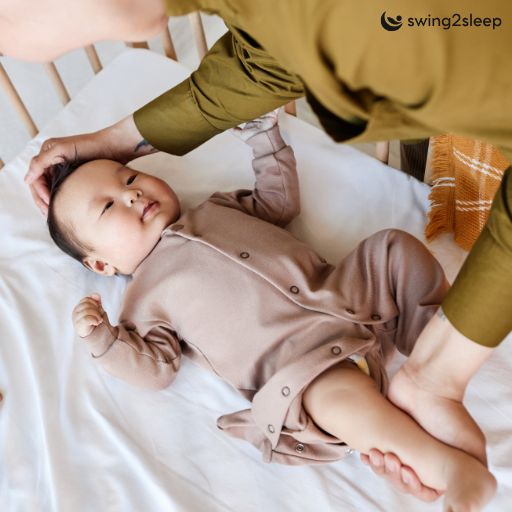
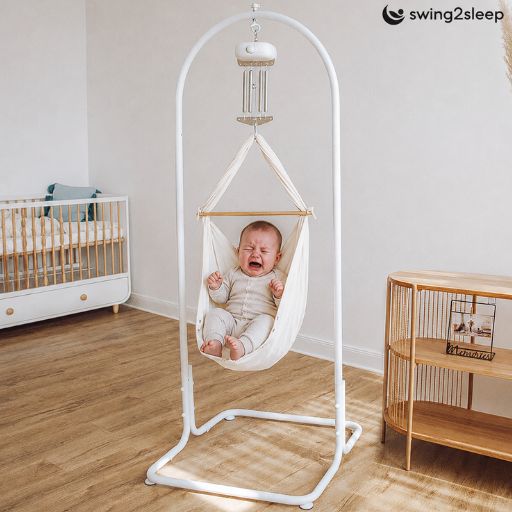
The environment also plays an important role: a quiet, darkened sleeping environment without bright stimuli or loud noises promotes a feeling of security when falling asleep. Especially in this phase, when sleep is still divided into short segments, a consistent atmosphere helps to strengthen your baby's natural rhythm. Many parents also like to use supportive aids here – such as the Automatic baby hammock motor from swing2sleep, which has an additional calming effect through gentle up and down movements.
If your baby shows signs of tiredness – such as yawning, rubbing eyes, or sudden fussiness – it makes sense to lay them down promptly. This prevents them from becoming over-stimulated, and the short waking phases can be used more purposefully.

How many waking phases does a baby have in the second month?
At about two months, your baby experiences many short waking phases – usually between five and seven a day. These typically last 30 to 90 minutes. During this time, your child actively perceives its environment, wants to drink, cuddle, or simply observe attentively.
Especially after feeding or a short phase of activity, it is normal for your baby to quickly become sleepy again. Many parents underestimate how quickly babies tire at this age. Tiredness often shows through small signs: looking away, sudden fussiness, or fidgeting with the hands.
After such awake moments, rest is particularly important. This is because staying awake for too long can quickly lead to over-tiredness, which manifests as restlessness or problems falling asleep. If you follow your baby's natural signals and put them to sleep in good time, you support their rhythm – without any pressure.