

How does baby sleep change in the 3rd month?
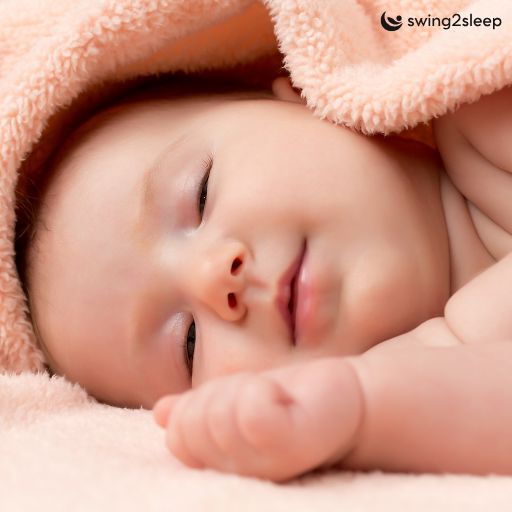
In the third month, many babies begin to develop a more regularly structured sleep rhythm. Although baby sleep continues to vary individually, for most babies it is still between 14 and 17 hours within 24 hours. At the same time, the first patterns are slowly becoming recognizable: night sleep tends to become longer and waking phases during the day appear more purposefully.
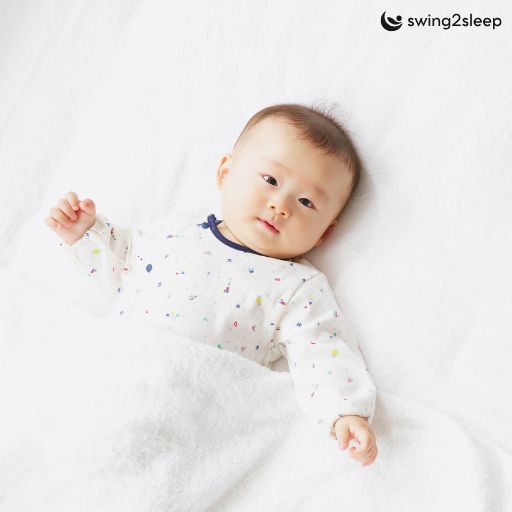
The sleep requirement during the day also changes. Daytime naps become somewhat more predictable – often two to four times – and babies appear increasingly attentive during their waking phases. Many babies also begin to distinguish between day and night in this phase. Brightness, voices, and the everyday rhythm in the home help them to develop their own inner pace.
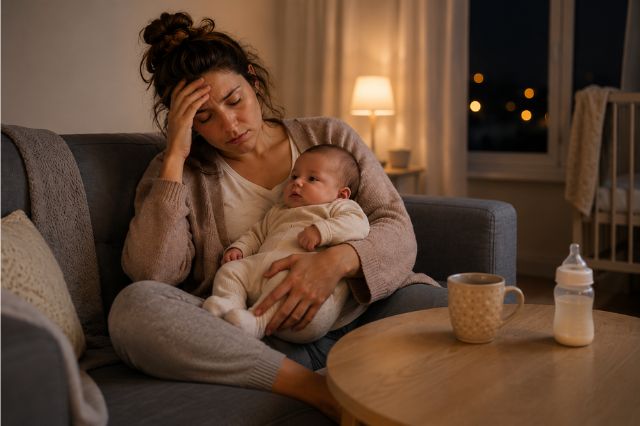
Those who correctly interpret the signs of tiredness during this time can prevent over-tiredness and help the baby grow into a more stable daily routine. Yawning, rubbing eyes, or looking away are typical indications that it will soon be time for bed.
In the third month, baby sleep becomes more structured: between 14 and 17 hours of sleep are still completely normal – with longer sleep phases at night and clearer waking times during the day.

Is my baby sleeping longer at night now?
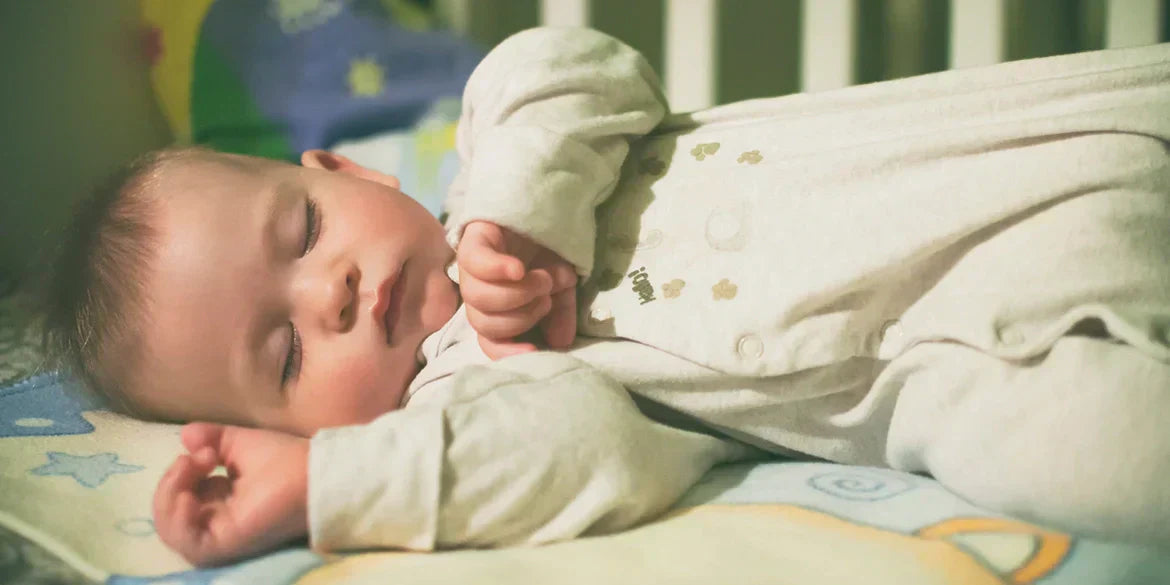
Many parents observe the first longer sleep phases in their baby in the third month – especially at night. Some babies manage to sleep for three to four hours at a time, while others continue to wake up more frequently. This depends heavily on the individual sleep rhythm and the current needs of the child.
Typically, the day-night rhythm begins to emerge more clearly at this age. Most babies now perceive their environment more attentively and react increasingly to brightness, noises, or routines. This helps them to distinguish between day and night – an important step for a more stable night's sleep.
At the same time, there can also be phases like in the second month where your baby suddenly sleeps more restlessly again or wakes up more frequently. Factors such as growth spurts, stimulus processing, or the desire for closeness influence your baby's sleep. Such changes are not uncommon in this early developmental phase and often regulate themselves again.
What helps with falling asleep at 3 months?
In the first three months of life, babies often still find it difficult to settle down after an active moment. Their nervous system is still in the process of processing stimuli and distinguishing between day and night. This is precisely why falling asleep plays an important role in this phase – and can be specifically supported by gentle routines.
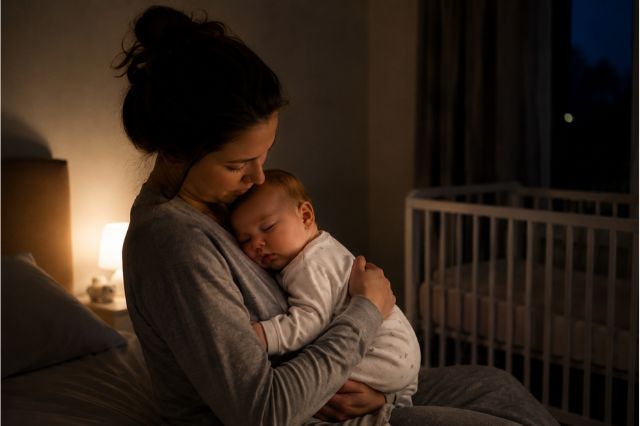
Recurring bedtime rituals such as a quiet walk in the evening, dimmed light, or soothing noises help to create a clear transition between waking and sleeping phases. This gives your baby security and orientation – even if the sleep rhythm is not yet fully established.
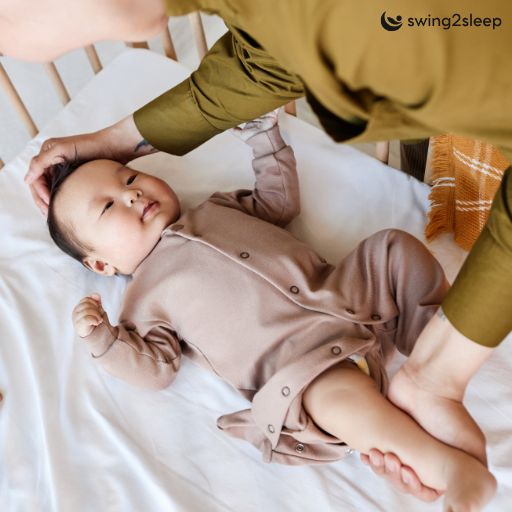
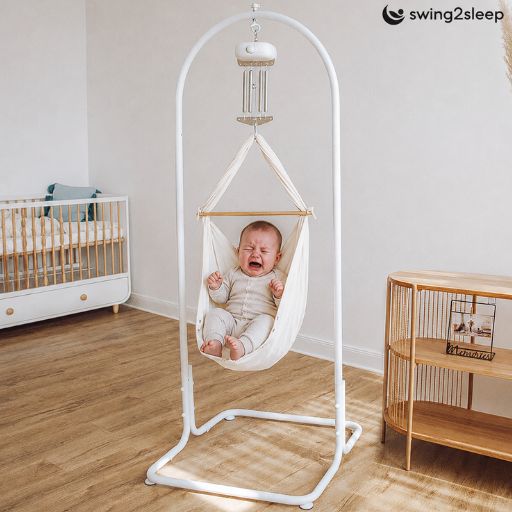
In addition, targeted sleep aids such as Automatic baby hammock motors from swing2sleep can help accompany the baby into sleep. The rhythmic movements have a calming effect and promote a relaxed transition into night sleep – especially if your child has difficulty settling down alone.
Also consciously pay attention to the first signs of tiredness – such as looking away, fidgeting, or fussiness. Responding at this moment and laying the baby down in good time prevents over-tiredness and creates good conditions for restful sleep.

How many waking phases does a baby have at 3 months?
In three-month-old babies, the sleep and waking phases are beginning to become more clearly defined. Most babies now have about four to six waking phases per day, each of which can last between 30 minutes and two hours. In these awake moments, the environment is perceived more intensely – be it through noises, movement, or targeted eye contact.
However, it is still not possible for many babies to sleep through the night consistently – and especially at night, they often wake up to drink or seek closeness. The development of a more stable rhythm takes time – and often it only becomes apparent in the fourth month that the newborn stage is truly behind you.
Sources:
(1) Baby Schlummerland – Baby sleep in the 3rd month https://www.babyschlummerland.de/baby-3-monate-schlaf
(2) NHS – Helping your baby to sleep https://www.nhs.uk/baby/caring-for-a-newborn/helping-your-baby-to-sleep/
(3) Kindergesundheit-info – Baby sleep (0–12 months) https://www.kindergesundheit-info.de/themen/schlafen/0-12-monate/babyschlaf/
(4) Raising Children Network – Baby sleep: 2–12 months https://raisingchildren.net.au/babies/sleep/understanding-sleep/baby-sleep-2-12-months