

Pregnancy is an incomparable journey for your body. After birth, you should therefore give it time to recover from the rigors of pregnancy and childbirth. An important part of healing is the so-called lochia, which can last up to six weeks after birth.
In this article, you will learn what is meant by lochia and in which phases it occurs. We also summarize what a lochia congestion is and how you can recognize it. We also give you tips on what to observe regarding hygiene during the postpartum period and how to give your body enough time to heal.
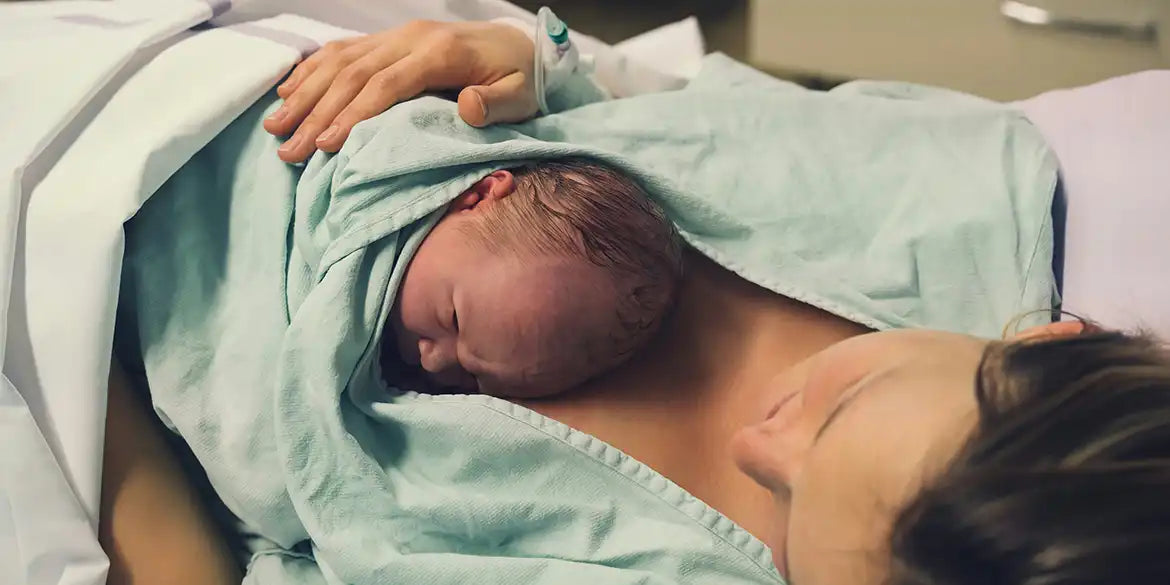
With the birth of your baby, the pregnancy ends and you finally hold your little treasure in your arms. After your body has expelled the placenta from the uterine wall, a wound is created that will heal over the coming weeks. In the form of bleeding, your body sheds tissue remains, wound secretions, blood clots, and mucous membrane from your uterus. Bacteria also leave your body via the lochia.
Whether you gave birth to your baby naturally or by C-section plays an important role. This is because after a C-section, the lochia is often significantly less than after a natural birth. Nevertheless, all mothers experience lochia after birth.
It is part of every pregnancy and the first step of healing after you have given birth to your baby. The discharge is completely natural and crucial for your body's wound healing.
How long does the postpartum discharge (lochia) last?
The lochia starts immediately after birth. Exactly how long it lasts varies from woman to woman: usually, it decreases more and more over time and stops after four to eight weeks. The fact that tissue remains, bacteria, and wound secretions flow out is a good sign and important for the healing process.
Many women naturally focus only on their baby during their pregnancy and plan everything for its arrival. In doing so, they often deal very little with the physical changes that await them after birth. Therefore, it is important that you inform yourself about lochia in advance and see it as a natural part of pregnancy.
Intensity of lochia in the weeks after birth
In the first few days after birth, the lochia is strongest. For about three days, you may have heavy bleeding that is significantly more intense than during your period. So please do not be anxious or worried: it is completely normal and natural to have a heavy discharge immediately after birth and sometimes even blood clots (coagula) are shed.
In the following two weeks after birth, the lochia resembles your period. Following this, its intensity continues to decrease until you only have light spotting. About six weeks after birth, these will then stop.
Keep in mind that lochia can take an individual course for every woman. Breastfeeding women, for example, report that their lochia is over a bit earlier – this is said to be due to the hormone oxytocin. It causes the uterus to contract, allowing the lochia to flow out faster.
If you have any concerns, you should contact your midwife or your doctor. This applies especially if the lochia suddenly stops.
What is meant by lochia congestion?
In the time after birth, lochia is part of life for new mothers. If it stops from one day to the next, you could have lochia congestion (lochiometra). The blood then cannot flow out and collects in your uterus. If this situation exists, you must be treated with medication.
Therefore, watch out for the following symptoms associated with lochia congestion:
Absence of lochia
Sudden high fever
Pain & pressure sensitivity in the abdomen
Headache
If you suspect you have lochia congestion, you should contact your doctor immediately. An ultrasound can be used to determine why your lochia has suddenly stopped. The administration of oxytocin can stimulate the contraction of the uterus, allowing the lochia to occur again.
As a rule, no operations are necessary. However, it is important that you have a doctor clarify why your lochia has stopped and whether lochia congestion, an infection, or another cause is behind it.
Hygiene in the postpartum period: Important tips immediately after birth
For a long time, medicine assumed that you have a particularly high risk of infection during lochia. In the meantime, however, it has been shown that this is not the case. Nevertheless, you should pay special attention to hygiene after birth to speed up the healing process.
The following tips can help you:
Wash your intimate area after every trip to the toilet and dry it with a clean towel.
Make sure to wash your hands regularly to avoid infections.
Change your pads regularly.
Use natural and unscented pads for your lochia if possible.
Abstain from sexual intercourse.
During the healing process, you should avoid tampons or menstrual cups. This is because they prevent the blood from flowing out undisturbed.
The topic of lochia concerns many women – if you have questions or concerns, you should also contact your midwife. She is at your side with experience and can give you further tips for proper hygiene during the postpartum period. In addition, our free checklist can also provide valuable information:
Free Postpartum Checklist: https://tr.ee/6x_V3vVwMT
Give your body time to heal after pregnancy
Lochia is an important sign that your body is recovering from pregnancy and your uterus is healing. You should give it the necessary time and take it easy in the first 6 weeks after birth. Your body has created life and experienced great rigors as a result: focus on your healing and the time together with your baby during this exciting time.
Lochia is an important and natural part of it. It varies from woman to woman and will accompany you in the first weeks after birth. Observe the tips above for ideal hygiene during the postpartum period and watch how your lochia changes over time.
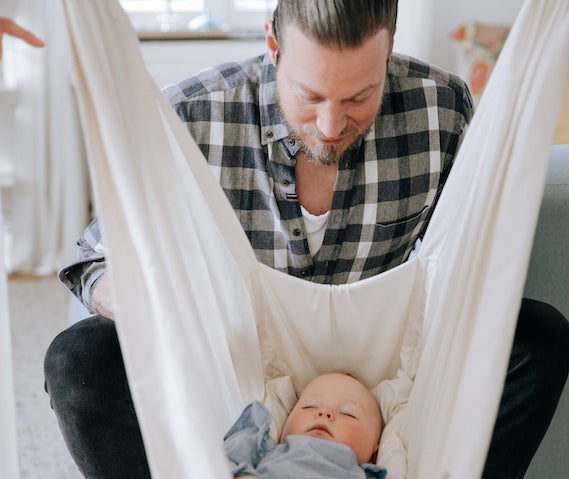
While you are resting from the rigors of birth during the postpartum period, you could also take a look at the innovative automatic baby hammock from swing2sleep: Your baby lies in a cozy hammock and is rocked to sleep with gentle up and down movements. This makes it easier for your baby to fall asleep and can also promote staying asleep.
We wish you all the best for the first exciting weeks with your little treasure!