

When your little one's first teeth start coming in, it can become a test of patience and a challenge for both parents and baby. For many children, the first teeth lead to sleepless nights. But when do babies actually get milk teeth? How long do babies teethe and how can you relieve the pain? We have gathered all the information and 9 smart tips for you to alleviate the discomfort.

Teething in babies: When does it start?
The question "When do babies start teething?" cannot be answered with a one-size-fits-all response. Usually, the first milk tooth becomes visible at an age of about six to nine months. However: every child is different and has their own pace. For some babies, the first little tooth can appear much earlier; for a few children, the breakthrough even happens during pregnancy—a real surprise at birth. For others, it takes until their first birthday. All of this is completely normal.
And how long does the teething phase last? This also varies. On average, the breakthrough of a tooth takes eight days. With twenty teeth, that potentially means 160 days during which your baby feels uncomfortable and needs more attention.
How do I recognize that my baby is teething?
Some infants handle the growth of their first teeth without any change in behavior. Others show their pain more clearly. You can determine if your baby is currently teething by these signs.
- Your child sleeps more restlessly and is more tearful. They demand more physical closeness and cuddles and don't like being put down.
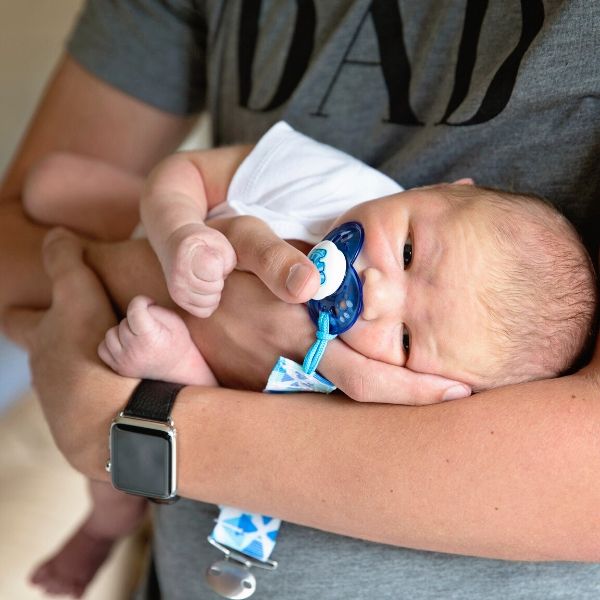
- Your baby asks for the breast more often, for the pacifier or the bottle, and has an increased need to suck.
- The cheeks are slightly reddened. The reason: the entire jaw has increased blood flow during the process.
- Strong redness of the gums is visible, often accompanied by swelling in the area.
- Salivation is stronger; for example, the T-shirt or bodysuit is constantly soaked, and a slight rash is often visible around the mouth.
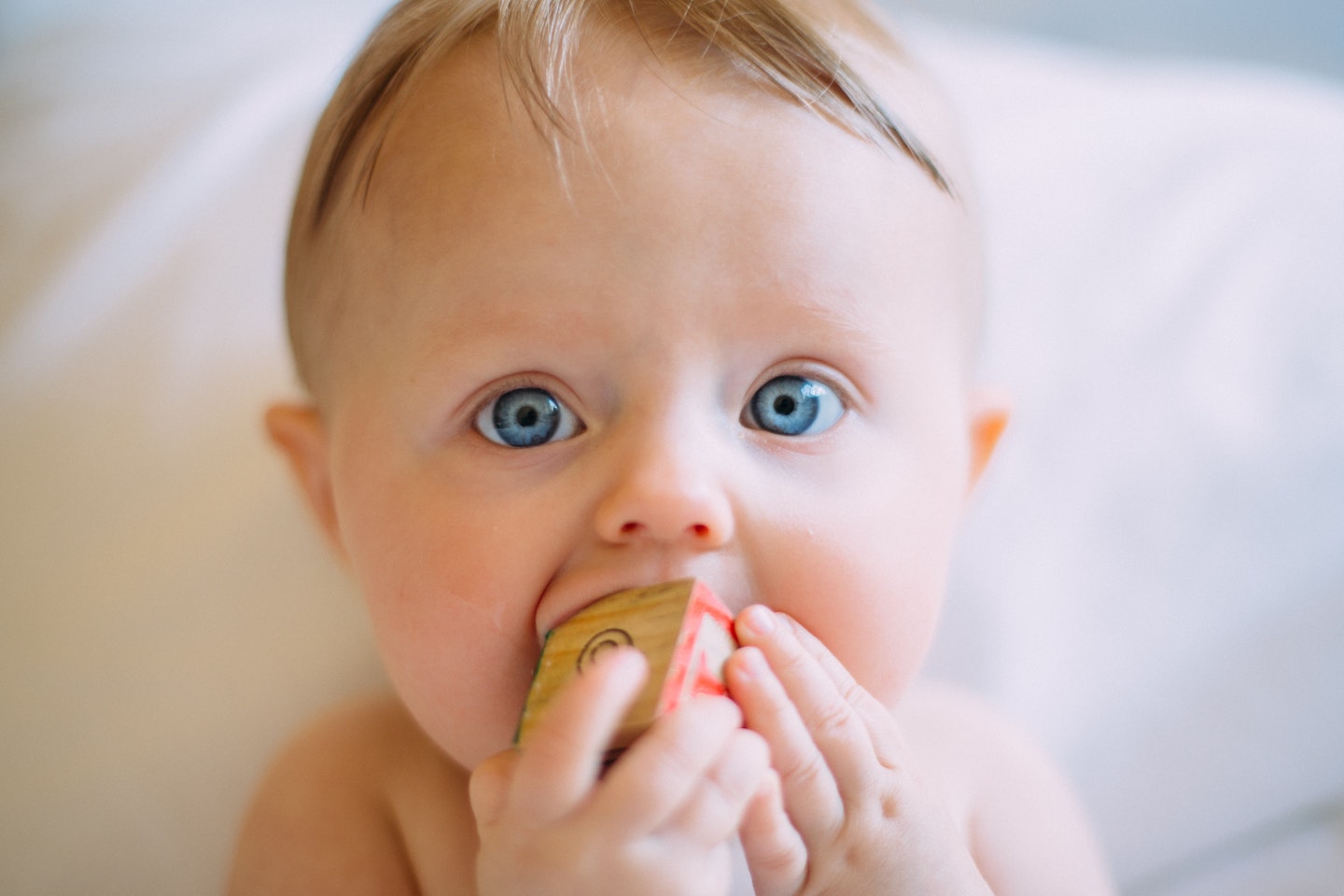
- Your baby bites on everything they can get their hands on, sucks, and puts their own fist in their mouth.
- Your child rubs their ears and pulls on them.
9 relief tips for teething in babies
As you can see: when babies teethe, it can become a challenge. But don't worry—there are aids and ways to relieve the pain and make it a little easier for your little one. Many parents also swear by their swing2sleep during the teething period.
1. Biting & Chewing
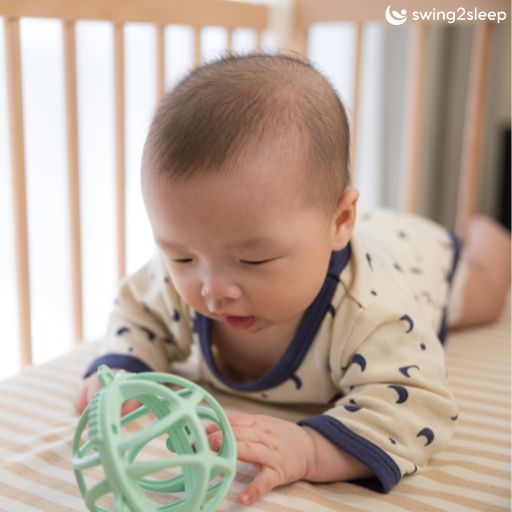
The use of chewing and teething rings is a great help during teething. This is because chewing massages the gums. This also stimulates the breakthrough of the teeth. Alternatively, you can (depending on age) offer your baby chilled vegetable sticks, which can relieve teething pain.
2. Cooling
A cold spoon from the refrigerator also has a pain-relieving effect. Simply place a teaspoon in the refrigerator; once it has cooled down, rub the back of the spoon against your baby's gums. However, the metal should not be too cold. Please do not put the spoon in the freezer.
3. A massage
Massaging the gums a little is good for many babies. To do this, simply wash your hands thoroughly and use your fingers to massage the affected area in circular movements without applying much pressure. Alternatively, you can also use baby dental care finger cots to support your baby while teething.
4. Cool chamomile tea
When babies are teething, it also helps to rub the gums with cool chamomile or sage tea. The anti-inflammatory active ingredients in the teas provide relief from teething pain. Simply dab onto the gums with a cotton swab.
5. Orris root
Some midwives recommend orris root as a traditional teething aid. These can be bought in drugstores, for example. Watch out: Germs can quickly form on the wood. You should therefore rinse and boil the root regularly. If the roots are cracked or broken, please no longer offer them to your baby to bite on.
6. Amber necklace
Necklaces with amber pendants are also an option. Some parents trust in the power of the stones. This has not been scientifically proven. However, amber does have a cooling effect, which certainly contributes to the relief of teething pain. But be very careful with the necklaces and do not place them around the neck. There is a risk of strangulation.
7. Teething gel
For teething babies, cooling teething gels with ingredients such as mallow extract, panthenol or chamomile are available in drugstores and pharmacies. Simply apply the gel to the affected area with clean fingers. It soothes irritated gums. Make sure that the gel is sugar- and menthol-free.
8. Homeopathy
Some parents swear by homeopathic globules when babies are teething. The active ingredient Chamomilla (chamomile) is particularly suitable. Here, too, there is no scientific proof of its effectiveness. But sometimes, as a parent, it just feels good to be able to help in some way. And: The baby will certainly be happy about the sweet little pellets.
9. Carrying
As banal as it may sound: Probably the best therapies for teething are carrying and physical closeness. The extra portion of love provides comfort and security and relaxes your baby. To keep your hands free, we recommend a baby carrier. You can't do too much carrying. Once the teeth are there, your baby will certainly want to discover the world on their own.

Fever and diarrhea during teething: What to do?
Some parents report that their child has a fever or foul-smelling diarrhea during the time of the first teeth. Pediatricians assume that the immune system is somewhat weaker when a tooth breaks through – and thus the way is clear for infections and illnesses. This is why fever and diarrhea can occur during teething. Above all, make sure that your child drinks enough. If the symptoms persist, you should see a pediatrician.
Even though children's development is an exciting time, there are phases we would like to skip. The subject of teeth is one of them, because nobody likes to see their baby suffer. But hang in there! As soon as you notice the first symptoms, you can provide relief for your baby with our tips. And when the first tooth buds break through the gums, the worst is already over. You will be rewarded not only with the first little tooth, but also with a very special smile.