


Networking has been gaining increasing importance in the professional environment for some time now. It makes perfect sense: everyone gains access to expertise, skills, and resources that they might not possess themselves. In a private setting, such a targeted search for beneficial relationships is rather unusual. Yet the benefits of parent communities are obvious here too, especially for mothers!
A parent community is networking for families
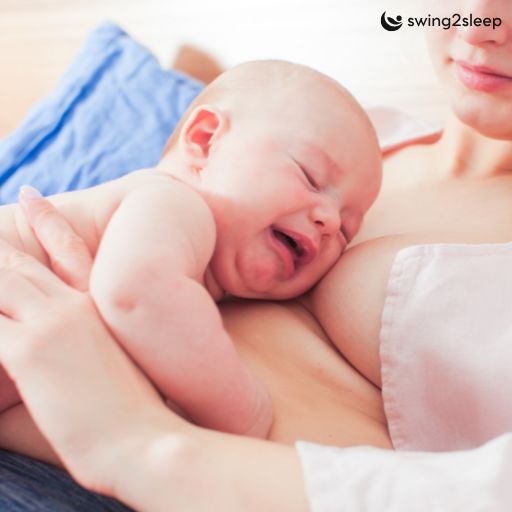
With the arrival of the baby, nothing is as it was. A lot of new things come crashing down on you, the little being constantly needs your attention, demands a lot from you, and hardly gives you a minute to breathe. The baby needs your closeness and love around the clock. In addition, it naturally wants to be carried, changed, fed, and also played with.
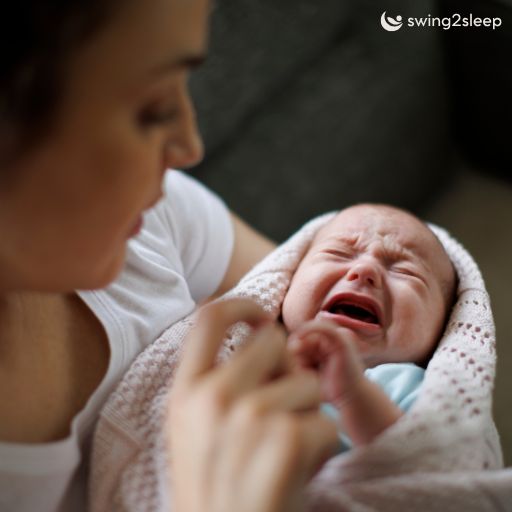
This time is quite exhausting for you. Most parents have certainly not only imagined the first time with a baby in rosy colors, but how living together with a child actually looks in concrete terms was probably clear to very few. Especially when the baby cries a lot, you quickly reach the end of your strength.
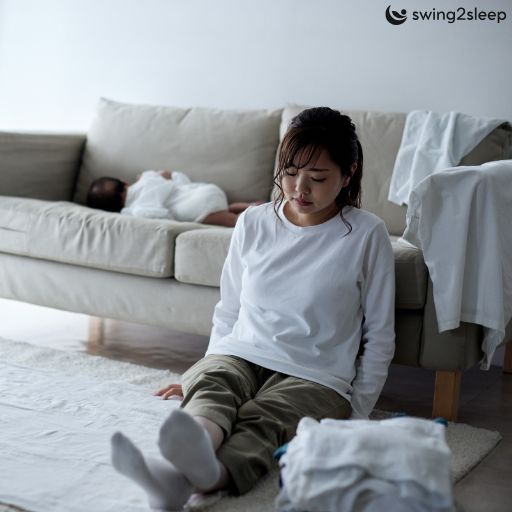
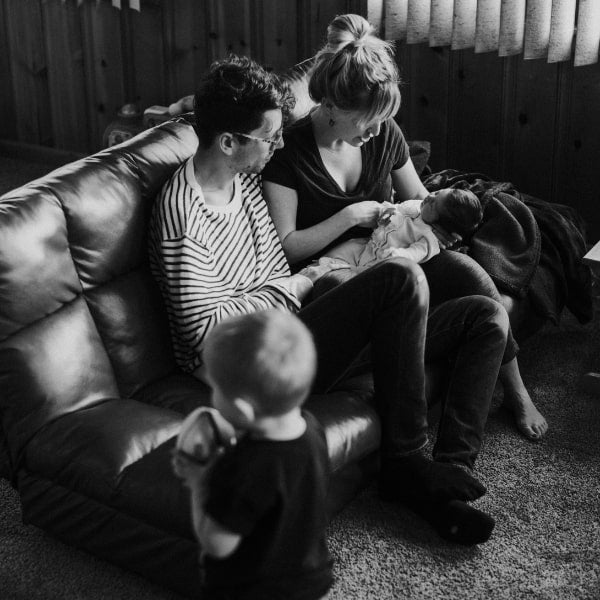
Instead of a model family and everything being perfect, frustration, loneliness, and fatigue are the order of the day. On top of that, your partnership suffers because you simply have no more time – neither for yourselves nor for nurturing your relationship.
And that is exactly when it would be fantastic if you could fall back on a network with other mothers. The potential for this is great; after all, you are not alone with this problem. Even if some mothers don't like to admit that they are completely overwhelmed, in the end, it does everyone good to exchange ideas with other parents who are in exactly the same situation. In conversation, it quickly becomes clear that things aren't as rosy for everyone as they had hoped, and that everyone could use some help.
But quite apart from how important it is that you can exchange ideas verbally with other parents, the network offers another very tangible advantage: you can help and support each other. If you have other mothers or parents nearby, you might be able to take turns shopping, look after each other's children from time to time, or support each other in all sorts of other things. It also feels really good to see that everything isn't running perfectly in other families either! In this way, you strengthen each other and help each other keep your expectations of yourselves realistic. Often, lifelong friendships develop from such contacts. Perhaps your child will gain a nice playmate for later, and if the chemistry is right, you can go on many, many joint activities in the coming years.
Meeting other mothers – but how?
There is no reason to be shy, because other mothers are in the same situation and long for understanding, help and relief. Especially for young mothers with a largely childless circle of friends, a feeling of isolation can quickly set in. The lives of their previous friends are determined by work, hobbies and relationships, while in theirs there is only one topic: the baby.
That is why it is definitely sensible if you seek out and build new contacts with like-minded people early on, especially with other parents who are having children at around the same time.
There are many opportunities for this: antenatal classes, pregnancy gymnastics, baby care classes or swimming for pregnant women. Of course, it would be best to make such contacts before the birth, but there are also many opportunities afterwards: baby swimming, playgroups, Pekip, baby massage, etc.
Networking with neighbors and grandparents
But such a network is not limited to parents with children of the same age. Neighbors, friends or grandparents can also enrich such a network enormously. In general, of course, it is a matter of give and take. If you do your neighbors a favor every now and then, they will probably be happy to look after the child occasionally. Nice neighbors are always a very useful thing, but this applies even more to good friends. The more people you have who you can rely on blindly, the better.
Social contacts instead of an extended family
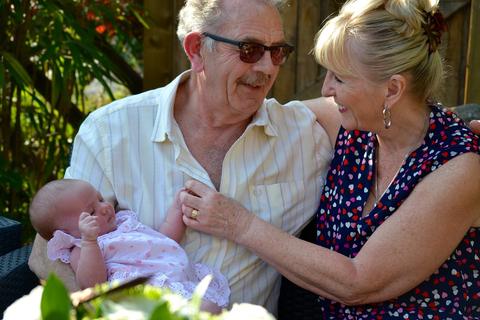
A Nigerian proverb says: "It takes a village to raise a child." This makes clear what resources are actually needed to provide a child with everything they need – from love and attention to food, upbringing and education. In the past, people in Germany could also mostly rely on a large family network for child-rearing. But in the course of social change, this possibility has increasingly disappeared in this country. Other countries show us how to do it better: aunts, uncles, grandparents and older siblings – everyone is involved. Everyone is there for each other, and that can be a valuable help for parents, especially in the early days. Knowing that someone is there to help you through the difficult times is simply priceless.
Following the largely disappearance of the extended family in Germany, parents in this country are faced with the choice of struggling through on their own and wearing themselves out, or replacing the family infrastructure with extra-familial social contacts and bonds. Just like in a family, you are there for each other. You provide help when it is needed, but you must also be prepared to accept help yourself – or even demand it – when you need a helping hand yourself.
So dive into the communities, forums and chat groups. You can also find many nice contacts in the "High Need Babies" Facebook group from swing2sleep. Besides, it's always fun to meet new people. And with your little ray of sunshine, you're guaranteed to never run out of things to talk about.