


Pregnancy is a time of joy, expectation and hope. Once you find out you're pregnant, you'll want to do everything in your power to make sure your baby is well. Pregnancy also comes with a lot of responsibility, especially in terms of the lifestyle and health choices that parents-to-be make.
One of the most important aspects to consider is to abstain completely from alcohol. To avoid harming your unborn child, you should refrain from even small amounts of alcohol. You can find out why this is so important and how you can still enjoy this time in this comprehensive guide.
- Why does alcohol harm your baby? If you drink alcohol during your pregnancy, the cell toxin enters your baby's bloodstream via your blood and harms it.
- What is fetal alcohol syndrome? In fetal alcohol syndrome, unborn babies suffer damage from the mother's alcohol consumption - this damage usually remains for the rest of their lives.
- What are the degrees of severity of fetal alcohol syndrome? There are different types of fetal alcohol syndrome. What they all have in common is that those affected will continue to suffer from the consequences of their mother's alcohol consumption in adulthood.
-
Can I drink alcohol while breastfeeding? No, you should also avoid alcohol while breastfeeding. You can pass alcohol on to your baby through breast milk.
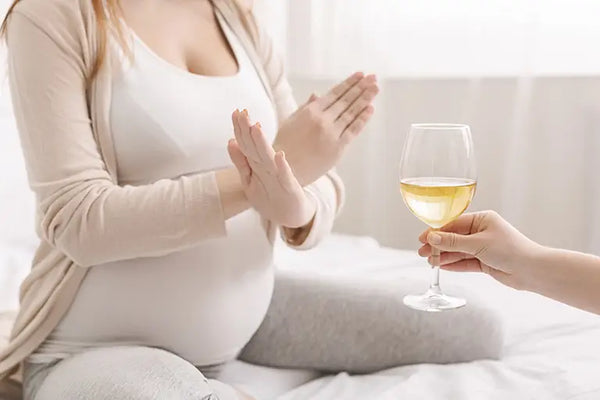
Alcohol during pregnancy: why it is essential to avoid it
If you are pregnant, you are probably feeling an enormous sense of anticipation. Many parents-to-be can't wait to finally meet their child after a long nine months. What all parents certainly want is a healthy baby. However, if expectant mothers drink alcohol, this puts the unborn child at risk.
The alcohol is transported into the baby's bloodstream via the pregnant woman's blood and placenta. There, the cell toxin can cause enormous damage and even threaten the life of the fetus. There is therefore no question that you should completely avoid alcohol during your pregnancy. Every sip is too much and you shouldn't make any exceptions.
- I drank alcohol before I found out I was pregnant: Did it harm my child?
- Most probably not - otherwise your embryo wouldn't even exist. As hard as that sounds: The all-or-nothing principle applies to alcohol in early pregnancy. If the embryo is severely damaged by alcohol, it will die with the next menstrual period. But from now on, please: no more alcohol at all!
In which phase of pregnancy is alcohol particularly harmful?::/H3
Alcohol during pregnancy is harmful at every stage and should be avoided permanently. However, alcohol consumption is particularly risky in the first three months. Your baby's organs and brain are forming during this phase. If you drink alcohol during this time, the risk of malformations increases enormously.
The brain in particular can be endangered by just one sip of alcohol. The brain often remains significantly smaller and the number of brain cells is also lower in affected babies. This can lead to developmental disorders.
In the later months of your pregnancy, your baby's growth in particular can be impaired by alcohol. If mothers drink alcohol during pregnancy, their children are often significantly smaller at birth than healthy babies.
What is fetal alcohol syndrome (FASD)?::/H3
If expectant mothers drink alcohol during pregnancy, the child can suffer from fetal alcohol spectrum disorder (FASD), also known as fetal alcohol syndrome. This involves numerous symptoms that occur in these children.
These conditions include a variety of lifelong physical, behavioral and cognitive impairments and behavioral abnormalities. Children and adults with FASD can encounter significant difficulties in everyday life, including problems with abstract thinking, planning skills, and understanding cause and effect.
Research shows that FASD is one of the most common congenital disorders, but it is completely preventable by abstaining from alcohol during pregnancy. Early encouragement and support are crucial for a fulfilling life despite FASD.
Fetal alcohol syndrome: an overview of severity levels::/H2
Many women know that alcohol is taboo during pregnancy. However, there are also women who do not recognize the risk and accept devastating consequences for their baby with their alcohol consumption. While the liver of adults can break down alcohol as a cytotoxin, the liver of unborn children cannot do this and damage occurs.
Fetal alcohol syndrome can vary in severity. Research distinguishes between four forms, from which children often suffer throughout their lives:
- FAS: If babies suffer from fetal alcohol syndrome, the child has suffered disorders of the central nervous system. Malformations of the organs and growth disorders are also typical of FAS. This is the most severe form of FASD.
- pFAS: Children with partial fetal alcohol syndrome only suffer mild symptoms. Their problems and limitations are less visible and often only relate to individual areas of life.
- ARND: Alcohol consumption during pregnancy can trigger alcohol-related neurological developmental disorders. The child's central nervous system is damaged. However, children with ARND do not exhibit any physical abnormalities.
- ARBD: If children suffer from alcohol-related birth defects, the brain has developed normally. However, the baby has suffered malformations and developmental disorders.
The mother's alcohol consumption can therefore have different effects on the fetus. It is therefore a misconception that a glass of alcohol is harmless. Every drop of alcohol should be avoided at all costs, because even a single consumption can lead to damage that will accompany the child for the rest of its life.
Alcohol while breastfeeding: continue to abstain from alcohol::/H2
Even after the birth, caution is advised and you should also avoid alcohol while breastfeeding. Alcohol affects your hormone balance, which continues to be of enormous importance during breastfeeding. If you drink large quantities of alcohol, you will also pass the cell toxin on to your baby through your breast milk.
Alcohol can have a negative effect on the newborn, as the baby's liver cannot break down alcohol as efficiently as that of an adult. This can affect the child's sleep and increase the risk of the child becoming addicted to alcohol later in life. It is therefore advisable to abstain from alcohol until you have finished breastfeeding.
Frequently asked questions about alcohol consumption during pregnancy::/H3
- Is it safe to consume small amounts of alcohol during pregnancy?
No, there is no safe amount of alcohol that can be consumed during pregnancy. Any amount of alcohol poses risks to fetal development, including the risk of FASD and other developmental disorders. The Federal Center for Health Education (BZgA) also points out that every drop of alcohol during pregnancy is too much.
- What happens if I drank alcohol before I knew I was pregnant?
If you consumed alcohol before you knew you were pregnant, the most important thing is to stop drinking alcohol immediately. Discuss the situation with your doctor for individual advice and support.
- Can one-off alcohol consumption during pregnancy be harmful?
While the risk of harm from one-time consumption may be lower, there is no guarantee that there will be no effects. It is strongly recommended that you avoid alcohol completely throughout your pregnancy to eliminate any risk.
- How does alcohol consumption during pregnancy affect the baby?
Alcohol consumption during pregnancy can lead to a number of developmental problems in the baby, including fetal alcohol syndrome (FAS), mental retardation, behavioral problems, learning difficulties and physical deformities.
- What are alcohol-free alternatives that I can enjoy?
There are many tasty and healthy alcohol-free alternatives, including mocktails, non-alcoholic wine and beer, and a variety of juices and fizzy drinks that can help you relax and enjoy your time without alcohol.
- How can my partner support me during pregnancy?
Partners can offer support by also abstaining from alcohol to create a positive and healthy environment, providing emotional support and helping to find alcohol-free alternatives.
- Are there resources or programs that can help me not drink alcohol during pregnancy?
Yes, there are numerous resources and support programs that can help expectant mothers, including counseling services, online platforms and community groups that offer tips, guidance and support.
- What should I do if I find it hard to give up alcohol?
If you are finding it difficult to give up alcohol, it is important to seek professional help. There are many counseling and support services that are specifically designed to address the difficulties of expectant mothers.
Drinking alcohol is taboo during pregnancy::/H3
The decision to have an alcohol-free pregnancy is one of the most important that parents-to-be can make for the benefit of their child. This guide is intended to inform, support and encourage you to choose this path. Because not a drop of alcohol is the safest way to give your child the best possible start in life. By avoiding alcohol during pregnancy, you are protecting your child from avoidable health risks and promoting their development and well-being.
This guide serves as a resource to guide you through an alcohol-free pregnancy, full of understanding, support and practical tips. Let's stand together for the health and future of our children.