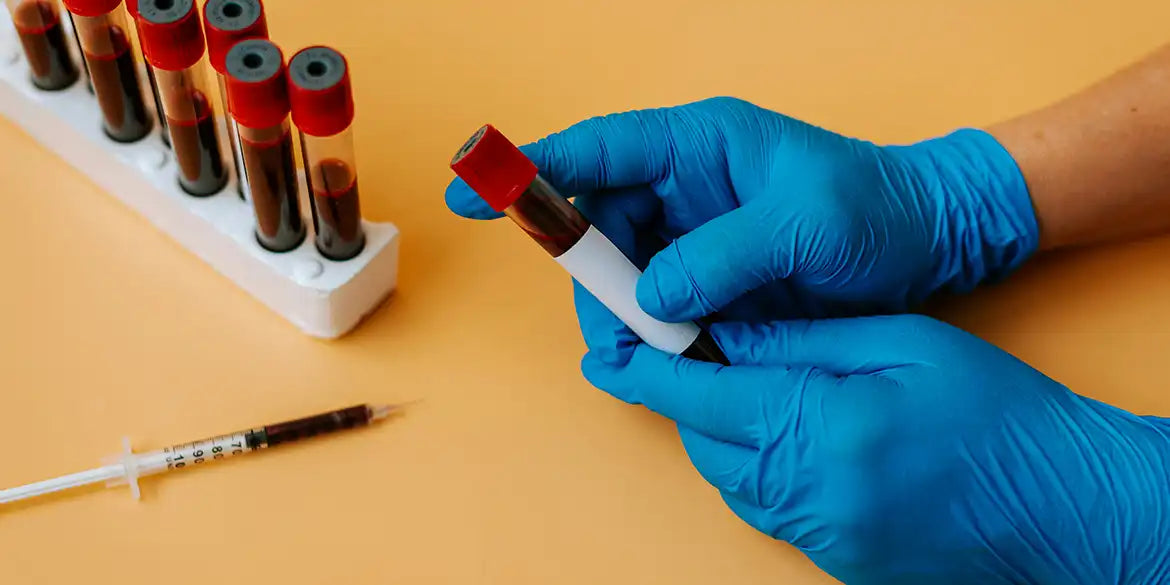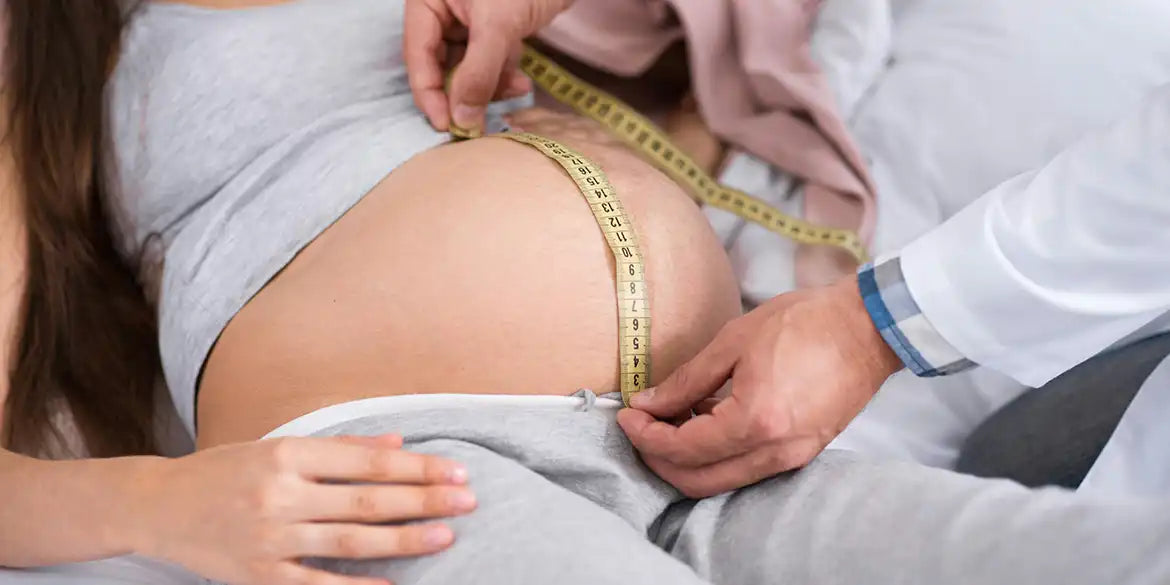



At the beginning of a pregnancy, various examinations can be carried out as part of prenatal diagnostics. In addition to first-trimester screening and amniocentesis, these include chorionic villus sampling (placental puncture). During this procedure, tissue samples are taken from the placenta and examined. This allows genetic abnormalities and malformations to be detected.
In this article, you will learn what chorionic villus sampling is and how this procedure works. We also summarize which diseases can be detected during the examination and what risks are associated with it.
During chorionic villus sampling, tissue is taken from the placenta to examine the cells for abnormalities.
Learn more
During chorionic villus sampling, a fine needle is inserted through the abdominal wall into the placenta.
Learn more
Placental puncture can be used to diagnose trisomy 21 and metabolic diseases, among others.
Learn more
What is chorionic villus sampling?
Chorionic villus sampling is the puncture of the placenta. A fine needle is inserted through the abdominal wall and chorionic villi are removed from the placenta. This is tissue from the placenta. This matches the cells of your unborn child and therefore provides information about possible childhood diseases.
The procedure is a voluntary examination. It is by no means mandatory and may only be carried out with your consent. The costs for the procedure are covered by statutory health insurance if there is a medical indication. Without such a recommendation from a doctor, you have to pay the costs of around 100 euros yourself.
How is chorionic villus sampling performed?
Chorionic villus sampling is usually performed in a clinic or by a specialized doctor. Your gynecologist probably does not offer such a procedure, but can recommend an expert to you.
The procedure begins with a detailed explanation. Your doctor will explain how the placental puncture works and what the risks are. A fine needle is then inserted through your abdominal wall into the placenta (chorion) and a small amount of chorionic villi is removed.
During the entire procedure, the position of the needle is precisely monitored by ultrasound to avoid incorrect punctures. The needle is then removed and the chorionic villi are examined. The procedure itself often only takes a few minutes and is not associated with any pain.
Nevertheless, you should rest for a few days after chorionic villus sampling and refrain from physical activities.
Which diseases can be diagnosed through the puncture?
As a rule, chorionic villus sampling is not performed without a reason. If pregnant women receive an abnormal result during first-trimester screening, a placental puncture can then be performed. Amniocentesis can also help in making a diagnosis and is also part of prenatal diagnostics.
Chorionic villus sampling can detect changes in your baby's chromosome structure. This makes it possible to diagnose diseases such as trisomy 13, trisomy 18, and trisomy 21. The examination can also uncover metabolic diseases, hereditary diseases, and blood disorders.
There are various examinations that can be carried out at this early stage of pregnancy. Some diseases cannot be diagnosed with chorionic villus sampling: these include heart defects, neural tube defects, and various malformations. These can be detected via an ultrasound examination or amniocentesis.
Indication: When is chorionic villus sampling recommended for expectant mothers?
Chorionic villus sampling is usually only performed if your baby is at an increased risk of chromosomal disorders or malformations. There are various risk factors that we have summarized for you:

|
Familial genetic defects:If one of the child's parents has a hereditary disease or a genetic defect, there is also an increased risk for the child – the disease could be inherited, so there is an indication for a placental puncture. |
 |
Abnormal finding:If an abnormality was found during an ultrasound examination or first-trimester screening, there is also an indication for performing chorionic villus sampling. It can confirm or refute the suspicious finding. |
 |
Maternal age:Expectant mothers who are older than 35 years also have a higher risk of abnormalities in the child's chromosomes or malformations. Therefore, not only a placental puncture but also amniocentesis can be recommended. |
 |
Sibling with hereditary disease:Parents who have already had a child with a hereditary disease or a genetic defect are also recommended to have chorionic villus sampling. The risk that the unborn child also has an abnormality is increased as a result. |
For a more precise diagnosis, your doctor may advise you to have chorionic villus sampling performed. Nevertheless, it remains a voluntary examination: if you do not wish to have it performed, that is your right.
Chorionic villus sampling has the advantage over amniocentesis that you receive the result promptly. You don't have to wait two weeks for the result, but have clarity after just a few days.
How high is the procedural risk?
Placental puncture is considered a relatively safe examination. Nevertheless, every procedure during pregnancy carries a risk. The risk of miscarriage with chorionic villus sampling is about 1%. This can occur three to five days after the procedure. Amniocentesis is less risky at 0.1 to 0.5%.
In addition to miscarriage, other complications can occur during placental puncture. There is a risk of infection, bleeding, vascular injury, or premature labor.
To keep the risks as low as possible, the timing of chorionic villus sampling is crucial. It is usually performed between week 12 and week 14 of pregnancy and can therefore take place slightly earlier than amniocentesis. A procedure before the 12th week of pregnancy is considered particularly risky. There are studies suggesting that a premature procedure could promote malformations.
#ELF
Automatic baby hammock from swing2sleep: Cozy sleeping place after birth
For parents, the uncertainty of not knowing exactly whether their child is healthy or suffers from a serious hereditary disease is often unbearable. Once you have received a result, the joy is certainly great and you now know the state of your child's health. If you want to focus on the anticipation of your baby in the coming months, you should think about where they should sleep.
Take a look at the innovative automatic baby hammock from swing2sleep. It offers your baby a cozy nest in which they can relax wonderfully. To do this, you place your baby in the hammock: there they are tightly enclosed, similar to in the womb. Then the automatic baby hammock motor rocks them to sleep with gentle up and down movements.
This makes it easier for your baby to calm down and falling asleep is easier. At the same time, the gentle movements, which are adjusted by the motion sensors, promote relaxed sleeping through the night.
Conclusion: Weigh the decision carefully
Chorionic villus sampling is an examination that expectant parents should weigh up very carefully beforehand. Every procedure carries a risk for the unborn child. In addition, prenatal diagnostics could determine that your child suffers from a serious hereditary disease or chromosomal disorder. Parents should be clear about a potentially tragic diagnosis in advance.
On the other hand, chorionic villus sampling can also show that the initial suspicion is not confirmed and you are expecting a healthy child. You can then enjoy the rest of your pregnancy with complete peace of mind and look forward to your baby. Ultimately, it remains a decision that every couple should make freely and without influence.