


A specialist article by Dr. Thomas Kraft, specialist in pediatrics and adolescent medicine Dr. Thomas Kraft

You are pregnant and now have a double responsibility: for your own well-being and that of your unborn child. A balanced diet plays a fundamental role in this. It is not only essential for your own health, but also promotes the healthy development of your baby. In this guide, we want to take you through various aspects of nutrition during pregnancy. From choosing nutritious foods to the correct use of supplements, we're here to make sure you and your baby get all the nutrients you need.
What to expect in this book::/H2
This book is aimed at expectant mothers, breastfeeding mothers and families who want to understand the basics of healthy eating. It is an invaluable resource for parents who want to raise their children strong and healthy by incorporating the right nutrients into their daily diet.
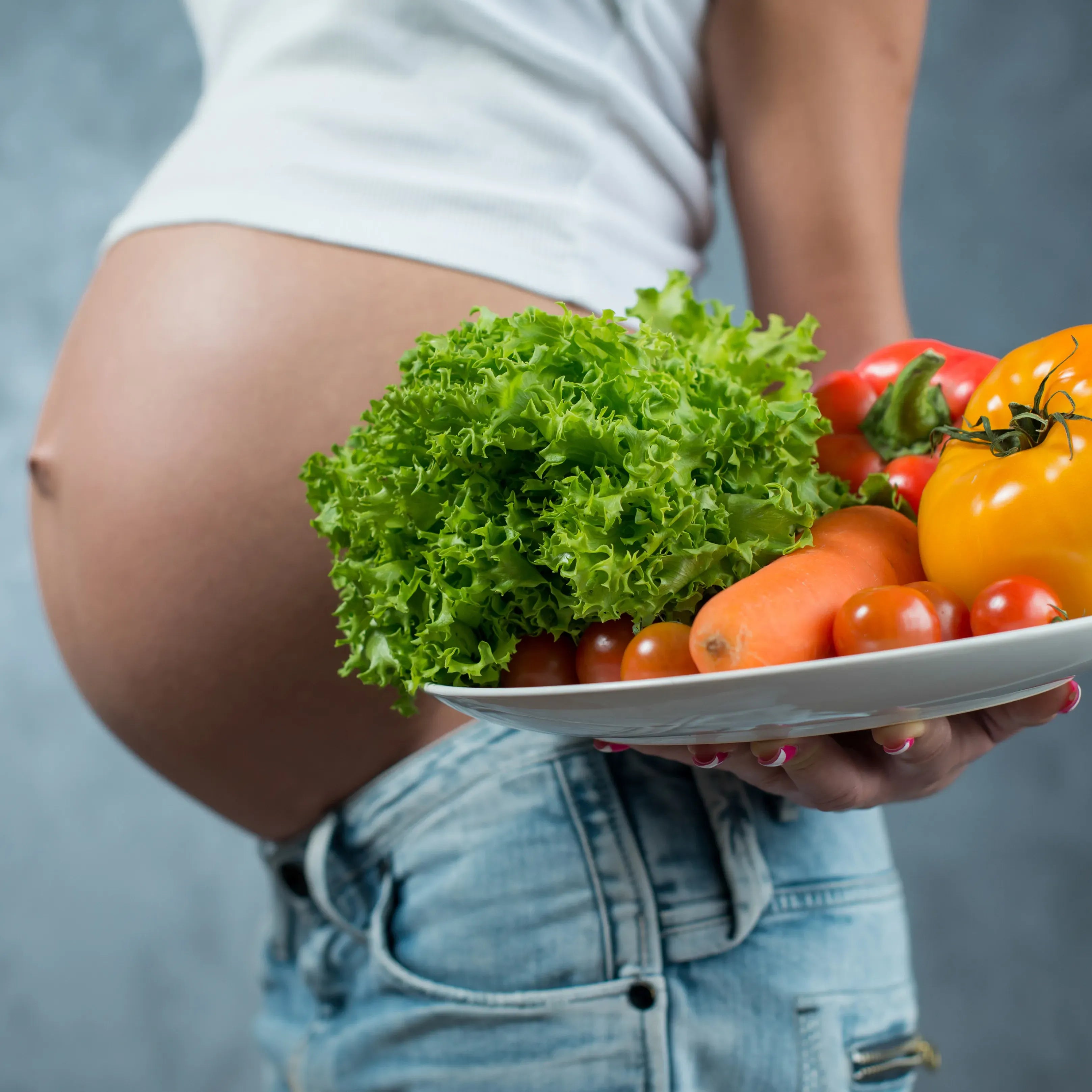
You're standing in front of a colorful market stall filled with fresh, crunchy fruits and vegetables. Each piece is a little treasure chest full of vitamins, minerals and fiber to help your body and your growing baby stay strong and healthy. You're looking for the bright red apples, the dark green leafy lettuces and the sunny yellow lemons. These colorful foods are rich in important nutrients like vitamin C, folic acid and iron, which are essential for your baby's development.
But it's not just about fruit and vegetables. Also think about whole grains, proteins and healthy fats. A piece of wholemeal bread topped with avocado and salmon will provide you and your baby with omega-3 fatty acids, which are important for your child's brain development.
And then there are the supplements. While a balanced diet will provide most of the nutrients you need, there are some, like folic acid and iron, that you may need in supplement form. But don't worry, we're here to guide you through this jungle and help you make the right choices.
Pregnancy is a wonderful and challenging time, and it's normal to have lots of questions. We hope this guide will help you better understand what your body and your baby need now and inspire you to make healthy choices. Because the most important thing is that you and your baby are healthy and happy.
The role of nutrition during pregnancy::/H2
Your diet during pregnancy plays a crucial role in your health and your baby's development. The nutrients you eat are the building blocks for your baby's growth and development. They can even have lifelong effects on your child's health. It's a daunting task and at the same time a wonderful opportunity to give your baby the best possible start in life.
During this special time, your body's needs are different than usual. It's like you're running a marathon, and during the race you also have to build a house! You need more energy, more nutrients and more rest. Some nutrients, such as folic acid and iron, are required in increased amounts to meet the growing needs of your body and your baby. Folic acid is like the foundation stone of the house you're building. It helps form your baby's spinal cord and brain and protects against certain birth defects. Iron, on the other hand, is like the bricks, it helps build the red blood cells that carry oxygen around your body and to the baby. It can be overwhelming, but remember that you are not alone.
There are many resources and experts out there that can help you make the right decisions. And most importantly, listen to your body. It will often tell you what it needs. Remember that you are an artist creating a masterpiece. Every meal, every snack, every glass of water is a brushstroke that contributes to your baby's beauty and health. So choose your colors wisely and enjoy the creative process!
Turn nutritious foods into solid ingredients::/H3
You're standing in a kitchen full of colorful, nutritious foods. You are the master chef, and your job is to use these ingredients to make the best possible meal for you and your baby. Here are some key principles to help you make nutritious foods an integral part of your diet.
Vegetables and fruit: the power of greens::/H3
Vegetables and fruit are like the bright colors on your palette, rich in vitamins, minerals and fiber. Try to fill your plate with as many colors as possible at every meal to broaden your nutrient palette. Dark green leafy vegetables like spinach and kale are like green gems, rich in folic acid, which reduces the risk of neural tube defects in babies. Oranges and strawberries are like little suns, excellent sources of vitamin C, which contributes to iron absorption.
Whole grain products: The right mix of carbohydrates::/H3
Whole grain products such as whole grain bread, rice and pasta are like the solid foundation of your house. They provide fiber, vitamins and minerals, ensure long-lasting satiety and help you control weight gain and pregnancy stress.
Proteins: It all depends on the source::/H3
Proteins are the building blocks of life and are particularly important during pregnancy. Fish, chicken, tofu and beans are like little building blocks that help you build a strong and healthy baby. Look for lean meats to limit your saturated fat intake. And remember, fish like salmon is rich in omega-3 fatty acids, which promote healthy brain development.
Dairy products: A source of calcium and protein::/H3
Dairy products are like the white gold in your kitchen, important sources of calcium and protein. Yogurt and cheese are also rich in probiotics, which support healthy digestion and a strong immune system.
Fats: Healthy fats for a healthy pregnancy::/H3
Healthy fats like omega-3 fatty acids in fish and flaxseed oil are like the oil that keeps your machine running. They are important for the development of your baby's brain and central nervous system. Avocados, nuts and olive oil are also like little powerhouses, rich in healthy fats.
Always remember that you are the master chef. You have the control and the ability to choose the best possible nutrition for you and your baby. So, let's get cooking!
Hydration during pregnancy::/H3
Water is vital and plays a special role during pregnancy. It is recommended to drink at least two liters of water per day, divided into 8 servings, to keep your body and your metabolism healthy. Hydration can also help to alleviate nausea and constipation, which can be common during pregnancy.
Nutritional supplements and vitamins::/H3
During pregnancy, it can be difficult to get all the nutrients you need from food alone. In consultation with your doctor, supplements can help to correct deficiencies. Here are some important supplements that are often recommended during pregnancy:
Folic acid: key factor for the baby's development::/H4
Folic acid is a B vitamin that can prevent neural tube defects in babies. It is recommended to take 400 micrograms of folic acid per day before and during pregnancy.
Iron: For oxygen transport::/H4
Iron deficiency is common during pregnancy. Iron helps to form red blood cells that transport oxygen to your baby. Your doctor may recommend taking iron supplements if your iron levels are low.
Vitamin D: support for bones and teeth::/H4
Vitamin D helps to absorb calcium, which is important for the development of strong bones and teeth in your baby.
Omega-3 fatty acids: For brain development::/H4
Omega-3 fatty acids, especially DHA, are important for the development of your baby's central nervous system and brain. They are often contained in fish oil supplements.
Calcium: for strong bones::/H4
Calcium is important during pregnancy as your baby uses your calcium stores for bone formation. Yogurt, milk and cheese are good natural sources of calcium.
The best supplement for this time is sango coral, as it contains up to 70 trace elements in addition to calcium and magnesium in the right proportions.
Guidelines for the use of food supplements::/H2
It is important to emphasize that you should only take supplements after consulting your doctor. Not all supplements are safe for every woman during pregnancy, and your doctor can make specific recommendations based on your individual health status and needs. We are also happy to provide advice in this regard at any time.
Unsuitable foods and substances::/H3
Some foods and stimulants should be avoided during pregnancy as they can be potentially harmful to you or your baby. These include
Alcohol::/H4
There is no known safe limit for the consumption of alcohol during pregnancy. It is therefore recommended to avoid alcohol completely to reduce the risk of developmental problems.
Caffeine::/H4
High consumption of caffeine is associated with an increased risk of miscarriage or lower birth weight. It is recommended to limit caffeine consumption to about 200 milligrams per day.
Raw or undercooked meat::/H4
Raw or undercooked meat can contain harmful bacteria such as listeria or toxoplasmosis, which can lead to serious illness. It is therefore recommended to avoid these foods during pregnancy.
Soft cheese::/H4
Soft cheeses made from raw milk, such as Camembert or Brie, can contain harmful bacteria. Switch to pasteurized cheese to minimize the risk of food poisoning.
Excess vitamin A::/H4
Too much vitamin A can lead to birth defects. Therefore, avoid taking vitamin supplements that contain these vitamins in high doses.
Gaining weight and feeling healthy::/H2
Weight gain is unavoidable and normal during pregnancy. The aim is to increase your weight so that it is healthy for you and your baby. Overweight women should generally gain less weight than women of normal weight, while underweight women need to gain a little more. Your doctor can help you set the right weight gain goals.
Regular exercise::/H3
Regular exercise during pregnancy can help keep weight gain in check and improve overall health. Ask your doctor which exercises are safe for you.
Rest and stress reduction::/H3
Stress can be harmful to both you and your baby. Try to avoid stress as much as possible and give yourself plenty of rest and relaxation.
Gestational diabetes and special nutritional needs::/H3
Women with gestational diabetes or other special health conditions may have additional nutritional needs. Eating a healthy diet and following your doctor's recommendations can help minimize pregnancy risks and improve health for you and your baby.
Special diet plans::/H3
Some women benefit from special diet plans to ensure they get all the nutrients they need. A dietitian can help you create a plan that's right for you and your pregnancy.
Common pregnancy symptoms and nutrition::/H3
Some pregnancy symptoms can be alleviated with a special diet. For example, the following foods can help alleviate common discomforts:
Morning sickness::/H3
Light, low-fat foods can help reduce morning sickness. Small, frequent meals can also help.
Constipation::/H3
High-fiber foods and plenty of water can help relieve constipation.
Heartburn::/H3
Heartburn can be combated by avoiding fatty or spicy foods and eating smaller meals. A tablespoon of oatmeal with a little water is very helpful.
Cravings::/H3
Cravings for certain foods are normal during pregnancy. It is often a reaction to the increased nutritional requirements. Make sure you always have nutritious alternatives on hand so that your cravings don't lead to an excess of unhealthy foods.
Involving your partner and family in your pregnancy diet::/H3
The support of your partner and family can be a great help during pregnancy. Shared meals create a bond and provide an opportunity to communicate about the changes you are experiencing. Proper nutrition is a shared goal that contributes to the health of the entire family system.
Conclusion: Your journey to a healthy pregnancy::/H2
Imagine you are at the beginning of an exciting journey. A journey that will take you to new heights and enrich your life in unimaginable ways. You are pregnant and the journey to motherhood has begun. And as with any great journey, you need enough fuel to keep you on the road. In this case, the fuel is a healthy and balanced diet, which is paramount to both your health and the health of your baby.
The foods you choose and the supplements you take are like the building blocks you gather to lay the foundation for your baby's growth and development. Every bite you take helps provide the nutrients your baby needs to grow strong and healthy.
Talk to your doctor::/H3
Your doctor is your best friend on this journey. He or she can help you identify your specific nutritional needs and give you practical advice on how to meet them. Don't be afraid to ask questions and seek support.
We at Dr. Kraft Vital will be happy to help you at any time with advice and the right choice of our high-quality nutritional supplements.
Dr. Thomas Kraft
Specialist in pediatrics and adolescent medicine
General medicine
Integrative and orthomolecular medicine
Longericher Hauptstrasse 45
50739 Cologne