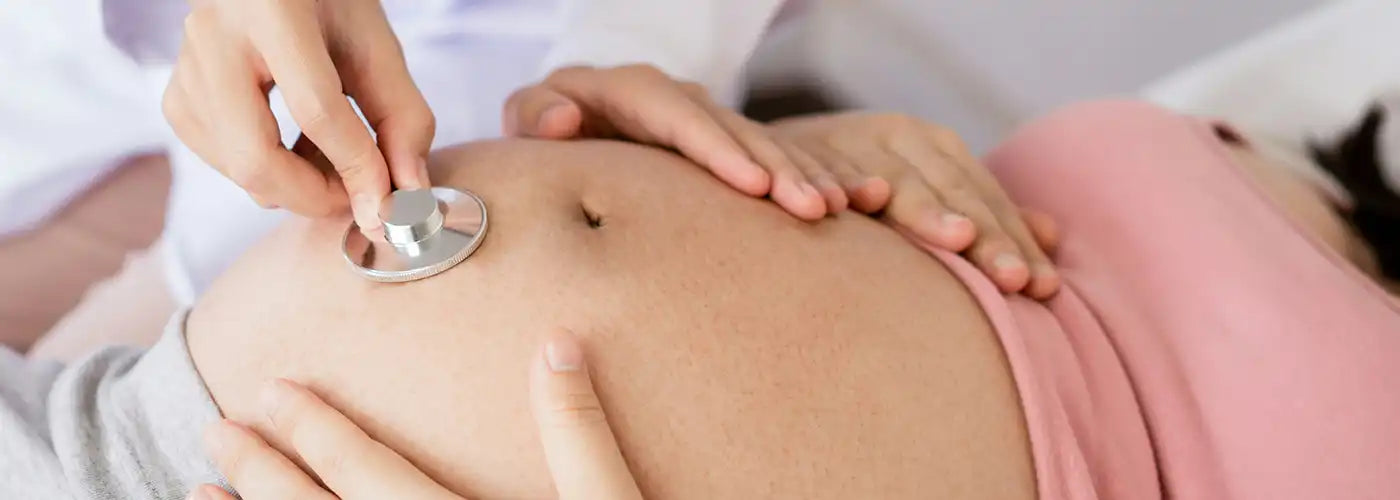


It is a rare but serious condition that affects about three to five percent of all pregnant people. We are talking about preeclampsia. But what exactly is this condition and how can you recognize the symptoms in time? You can find all the information about preeclampsia here.

What is preeclampsia: Simply explained
In common parlance, many still speak of "pregnancy poisoning". The term is vague and misleading, but it makes one thing clear: Preeclampsia is a very serious threat to mother and child - which can be life-threatening. However, the symptoms are medically non-specific, which is why it is sometimes difficult to make a clear diagnosis.
As a rule, however, preeclampsia is accompanied by a sudden spike in high blood pressure in the expectant mother. According to experts, the reason for this is as follows: The placenta does not embed itself completely or only poorly in the mother's body between the eighth and 13th week. This allows harmful substances to enter the circulation, which have a negative and delayed effect on the mother's vascular system.
What are the symptoms of preeclampsia?
Delayed means that the first symptoms often only appear from the 20th week of pregnancy or even later. As already mentioned, the main symptom is high blood pressure, which often only skyrockets in the expectant mother in the third trimester. Another characteristic of preeclampsia is a large amount of protein in the urine. This can be recognized by milky or cloudy urine - or by a urine test, which should be carried out at every gynecological check-up.
Other warning symptoms are:
- severe water retention in the tissue, primarily in the legs and feet
- headaches
- visual disturbances, sensitivity to light, and flickering before the eyes
- nausea and vomiting
- pain in the upper right abdomen
- sudden heavy weight gain of more than one kilogram per week - especially in the last trimester
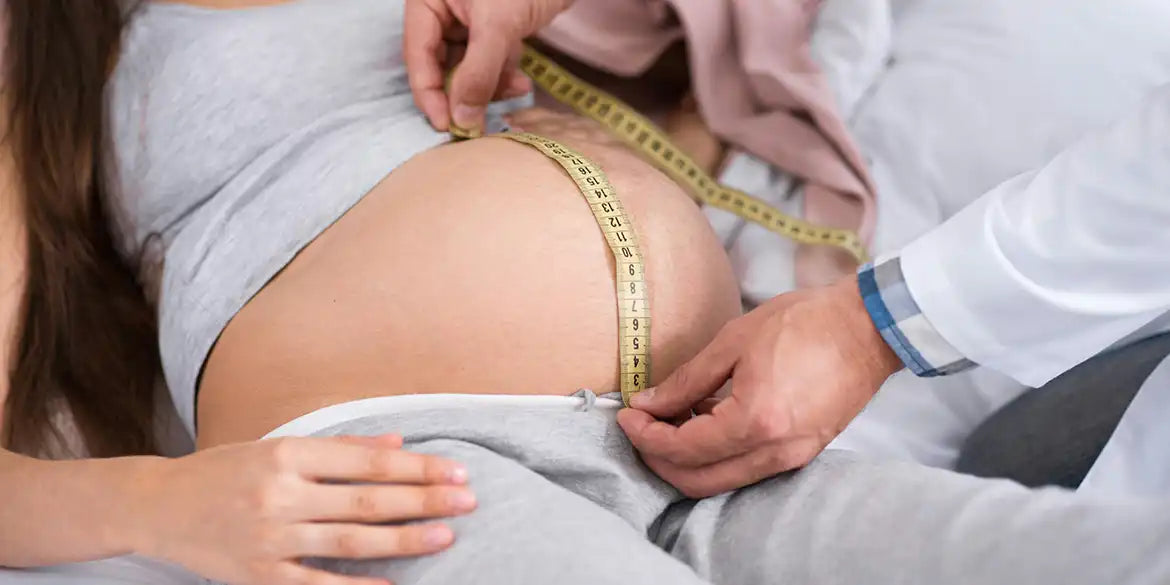
Another indication of preeclampsia is if the child in the womb is not growing properly and is smaller than average. This can be checked during an ultrasound by the gynecologist and should definitely be taken seriously.

What consequences can this have?
In severe cases of "pregnancy poisoning", placental insufficiency and/or placental abruption can occur. As a result, the infant's oxygen supply is acutely threatened or completely interrupted. A life-threatening situation can arise if the child is not delivered quickly by emergency C-section. In very rare cases, the blood pressure rises so rapidly that circulatory disorders in the mother's brain can occur. A seizure or stroke is the result.
Kidney failure and so-called HELLP syndrome are also among the severe and rare forms of preeclampsia. The latter describes disorders of liver function and blood clotting - sometimes even without a prior rise in blood pressure. Pain in the upper abdomen and/or behind the breastbone, swelling in the face, as well as very rapid weight gain or nausea and vomiting; all of these are clear warning symptoms of HELLP syndrome.
Rapid action if warning symptoms occur
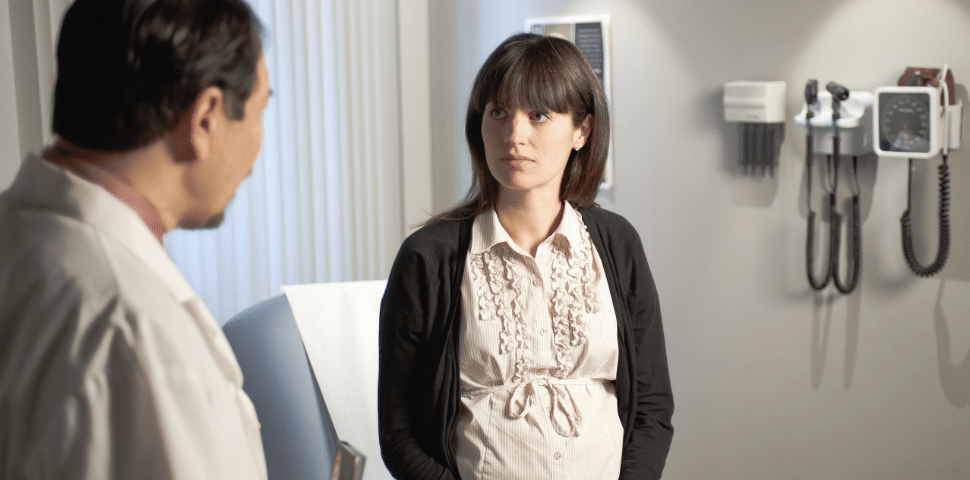
If one or more of the symptoms listed above occur, it is important to act quickly. Either visit your midwife or your treating gynecologist. If that is not possible, it is important to go to the hospital for safety. A blood test as well as an ultrasound can provide more information. If preeclampsia is present, the child is usually delivered earlier by emergency C-section.
Are there risk groups for preeclampsia?
To this day, it remains unclear what the causes of preeclampsia are. Since the symptoms, as already mentioned, are very non-specific and can sometimes only occur in isolation, a clear diagnosis is difficult. However, it should be emphasized again that "pregnancy poisoning" is a very rare condition.
An increased risk can be identified in the following groups:
- First pregnancy
- Young first-time mothers
- Twin or multiple pregnancy
- Obesity
- Existing gestational diabetes
- Age over 35 years
- Existing conditions (such as autoimmune disease, diabetes, high blood pressure, coagulation disorders, or other previous cardiovascular problems)
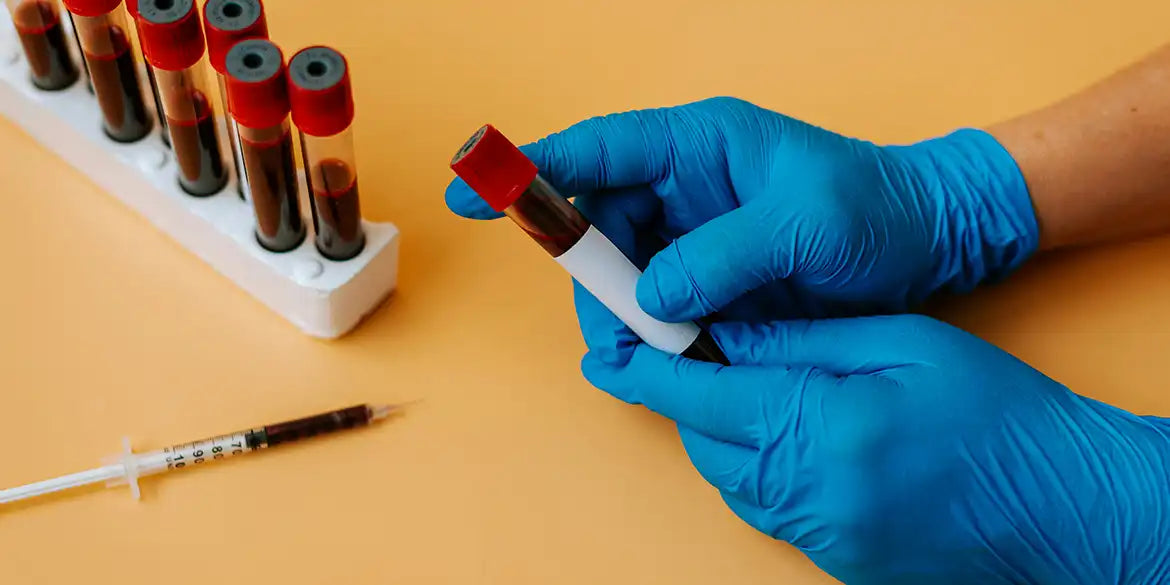
New blood test for early detection of preeclampsia
But there is also good news. While preeclampsia is a diffuse and non-specific disease in its symptoms, a new type of blood test offers hope for possible early detection. The test examines RNA (ribonucleic acid) more closely. In human cells, RNA is responsible for the formation of proteins. By examining the ribonucleic acid, factors such as growth, development of the baby, and the physical condition of the pregnant woman can be investigated. In a large-scale study, 75 percent of pregnant women who later developed preeclampsia were identified this way.
While this does not prevent preeclampsia, and the blood test is not part of standard maternity care—meaning it must be paid for by expectant mothers themselves—in combination with regular blood pressure monitoring, measuring blood flow in the uterine arteries, and determining certain blood proteins, treating physicians can determine the likelihood of preeclampsia in order to take preventive measures.
Close monitoring is essential
If there is a risk of preeclampsia, close monitoring and medical supervision of the pregnant person are required above all. This means, on the one hand, that the intervals between gynecological check-ups are shorter than in a normal pregnancy. In addition, daily intake of low-dose aspirin is advised in cases of suspected preeclampsia. This can reduce the occurrence of pregnancy poisoning before the 37th week of pregnancy by over 60 percent, as studies prove.
And for all women who suffered from preeclampsia in their first pregnancy, there is also hopeful news. In a subsequent pregnancy, they have only a slightly increased risk of developing the condition again. The symptoms may even be completely absent. In any case, the blood test and further check-ups at the beginning of a pregnancy can help to rule out the likelihood of recurring preeclampsia, so that, ideally, one can look forward to the great miracle without worry.

Photo by CDC on Unsplash
Photo by Christian Bowen on Unsplash
Photo by Isaac Quesada on Unsplash