

Pregnant? What happens now?
I will help you with what to do from the moment of the positive test, through finding the right doctor for you, to announcing the pregnancy.
THE PREGNANCY TEST::/H3
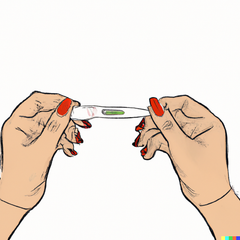
If you have noticed the first signs of a possible pregnancy, you naturally want certainty right away. A pregnancy test is the first step to finding out. There are different types that you can perform either at home or have done by a doctor.
Home tests::/H4
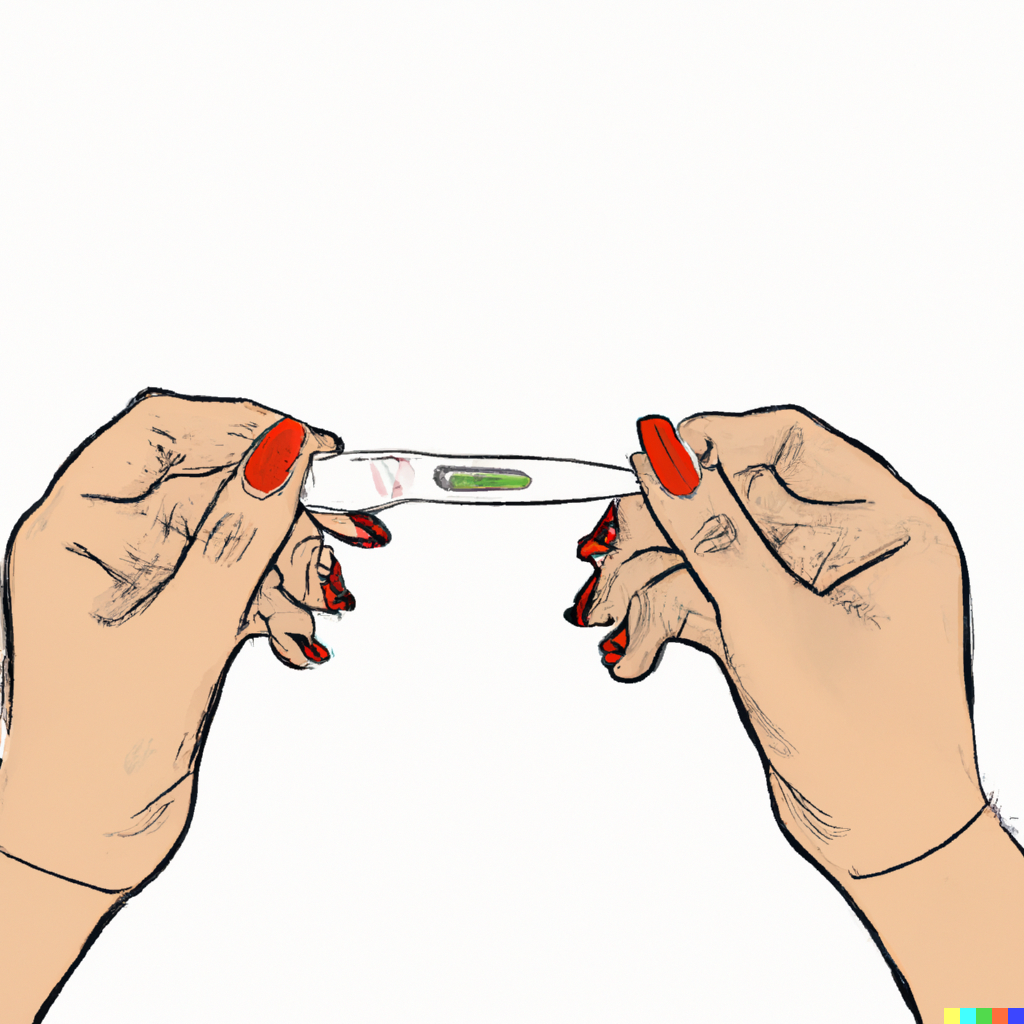
These tests are available in most pharmacies and drugstores. They are usually based on measuring the pregnancy hormone hCG in the urine. Home tests are a simple and convenient way to determine if you are pregnant. You can perform them discreetly at home. Most home tests work with a strip or a cassette onto which you either drop urine or into which you dip the test strip. It is important to follow the instructions on the packaging exactly, as this can affect the accuracy of the test. Most home tests show the result through lines or symbols. One line usually means the test is positive and you are pregnant. If no line or symbols appear, the test is negative. However, there are also cases where the test may be uncertain or unclear, for example, if the lines appear faint or the result is not definitive. In such cases, it is advisable to perform another test or contact a doctor directly to obtain a confirmatory diagnosis.
Blood tests::/H4
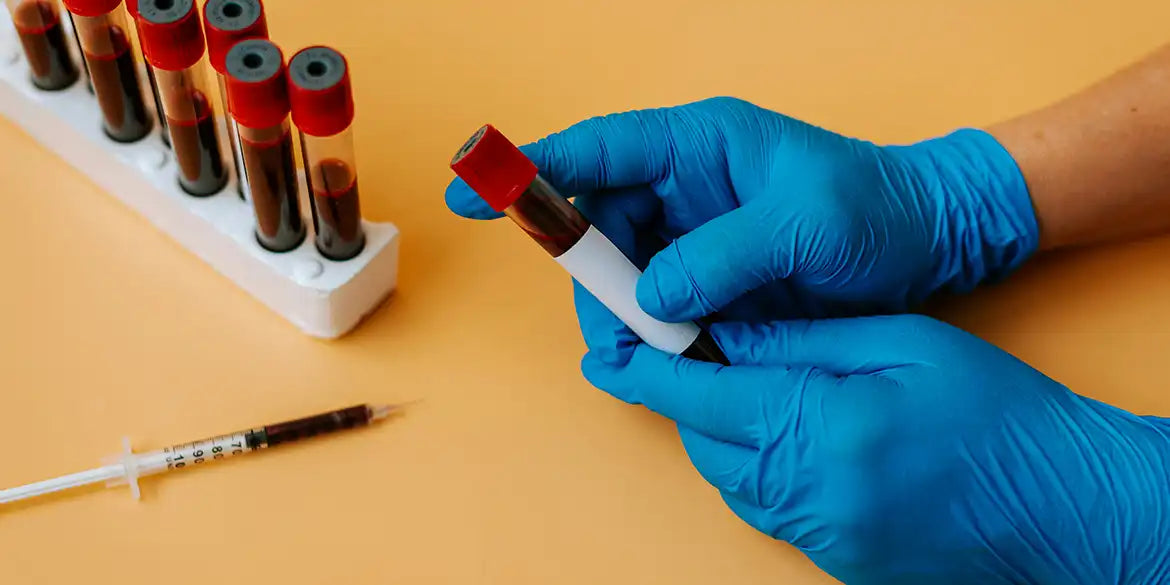
They are another way to detect a pregnancy. In this case, blood is taken at the doctor's office and examined even more precisely in the laboratory for the presence of the pregnancy hormone hCG. Blood tests are often more sensitive and can detect a pregnancy even before it can be determined with a conventional home pregnancy test. A blood test at the doctor's can also provide further information, such as the exact hCG level, which can give an indication of the progress of your pregnancy. The doctor can also provide comprehensive advice and answer any questions you may have regarding the test or pregnancy in general.
CALCULATING THE DUE DATE::/H4
After you have taken one or more tests and determined that you are indeed pregnant, you probably also want to know right away when the baby is likely to be born. The calculation of the expected due date is based on the first day of your last period and the average length of the menstrual cycle. There are various methods to calculate the due date. The most common is the "Naegele's rule": you simply add seven days to the first day of your last period and add nine months. Alternatively, you can also use online calculators or mobile apps. The calculated due date is an estimated time and the actual birth date can depend on various factors. Your doctor will monitor your baby's development and be able to give you more precise information.
FINDING A DOCTOR::/H4
Choosing the right doctor is crucial to receiving good prenatal care. You can choose either a gynecologist or a midwife, depending on what is best for you. An experienced doctor will accompany you during the pregnancy, perform examinations, and ensure that you and your baby stay healthy.
If you don't have a doctor yet, look for recommendations from friends, family, or other mothers in your area. You can also read online reviews or contact local birthing centers or hospitals for information on competent professionals. Once you have found a doctor, make an appointment for the first examination. During this appointment, they will take your medical history, examine you, and plan further tests to ensure that you and your baby are healthy.
ADAPTING YOUR LIFESTYLE::/H4
Furthermore, it is important to maintain a healthy lifestyle: pay attention to a balanced diet rich in fruits, vegetables, whole grains, lean protein, and healthy fats. Your body now needs additional nutrients to support the growth and development of your baby. In addition to the right diet, sufficient sleep is of great importance. Pregnant women may need more rest and sleep to meet the physical and emotional demands. Make sure you get enough sleep and treat yourself to short rest breaks during the day if necessary. Stress can have a negative effect on you and the unborn baby. Try to avoid stressful situations as much as possible and develop strategies to cope with stress. Yoga, meditation, breathing exercises, or regular walks in nature can help reduce stress and ensure that you feel better overall. Remember that every body and every pregnancy is unique. What works for one woman may not necessarily apply to another. It is important to listen to your body and assess yourself correctly.
ANNOUNCING THE PREGNANCY::/H4
The decision to announce the pregnancy is a very individual matter. Many choose to wait until the 12th week of pregnancy to announce the pregnancy, as the risk of miscarriage drops significantly by then. However, it is entirely up to you when and how you share the happy news.
Click here for an article with tips and ideas for announcing the pregnancy
PRENATAL CARE::/H4
Additionally, it is advisable to inform yourself about prenatal care and attend regular doctor's appointments. This way you can ensure that both you and your baby receive the best possible care. Your doctor will be able to help you create an individual care and birth plan.
Further sources of information:::/H4
- Doctor or midwife: Personal conversations with your doctor or midwife can be an excellent source of information and support.
- Pregnancy books: There are many helpful books on the subject of pregnancy that can offer you comprehensive information and advice.
- Internet: Online forums and websites offer a wealth of information, experience reports, and advice on pregnancy and birth.
- Prenatal classes: These classes can prepare you and your partner for the birth and provide you with important information and skills.
Ultimately, the most important thing is that you seek support and follow your needs. It is completely normal to have many questions and uncertainties. Turn to professionals and other mothers for advice and information that can help you experience a healthy and happy pregnancy.