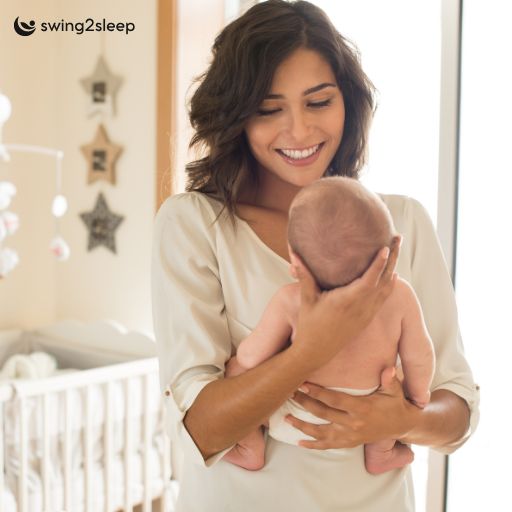


It is the magical time after birth when mother and child, but also the partner, get to know each other: the postpartum period. But how long does it actually last? Various numbers are floating around on the internet: 40 days? Seven weeks? Eight weeks? We have the answer – and more tips for this cozy time.
 What exactly is the postpartum period?
The postpartum period carries its name for a good reason: during these days and weeks, mother and child should spend their time together primarily lying down. No matter what is happening outside, what friends and family are doing: during the postpartum period, the top priority is cuddling together, recharging your batteries, getting to know each other, and healing physically. It is a wonderful, exceptional state that will not come back in this way.
How long does the postpartum period last?
When researching on the internet, there is very different information regarding how long the postpartum period can last. Some sources speak of six weeks, others of eight. Still others recommend exactly 40 days. But what is correct? The answer is simple: the postpartum period lasts as long as it feels right for you. There are no clear "regulations," but you should follow medical recommendations and rest for at least two weeks after delivery. The longer you recover and cuddle and just let everyday life be everyday life, the better.
The postpartum period is roughly divided into two phases:
Early postpartum period
This is where the important recovery phase takes place. The early postpartum period covers approximately the first ten days after delivery. Your body now begins to produce milk. At the same time, the slow healing process begins. And on top of that, the hormone balance regulates itself. All of this is incredibly exhausting. So, by all means, rest and let yourself be pampered. Nothing is more important right now than your health and that of your baby. By allowing yourself strict rest, you prevent breastfeeding problems, but also illnesses such as lochia congestion or puerperal fever.
Late postpartum period
In the late postpartum period, on the other hand, everything is set to "enjoyment." This phase begins around the eleventh day after birth and also represents the final stage of the postpartum period. You are probably physically fitter and more resilient again by now. Nevertheless, you should not overdo it. Everyday things, such as the household, can still wait. The most important thing is that you all arrive in your new life together.
Why is the postpartum period so important?
Regardless of the question of how long the postpartum period lasts, it is undisputed that this time is particularly important. Because: a new little person has been born. That is something very big. No wonder that after this unique event, you cannot – and should not – return directly to everyday life.
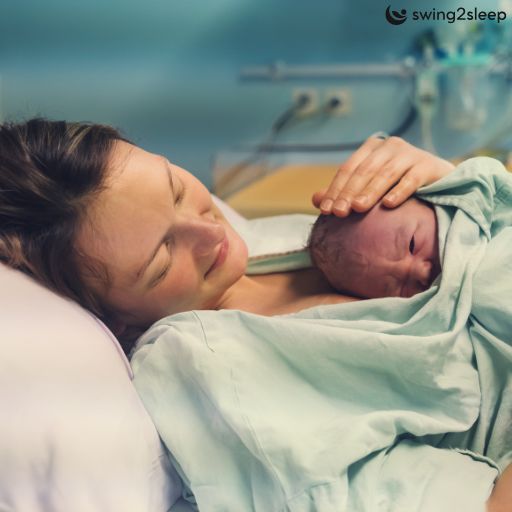
The postpartum period is an important first stage for mother, child, and partner for many different reasons. For one, this magical time serves for getting to know each other and so-called bonding. Bonding describes placing the naked newborn on the skin of the mother or father directly after birth. It serves the parent-child bond. During the postpartum period, you as parents can and should continue this method. Cuddle up without clothes and ensure plenty of skin contact. This has numerous positive effects.
Bonding can:
- Strengthen the child's trust in the parents from day one
- Calm and relax parents and child alike
- Regulate your baby's breathing and heart rate
- have a positive effect on the child's breastfeeding behavior
- help to regulate the baby's temperature.
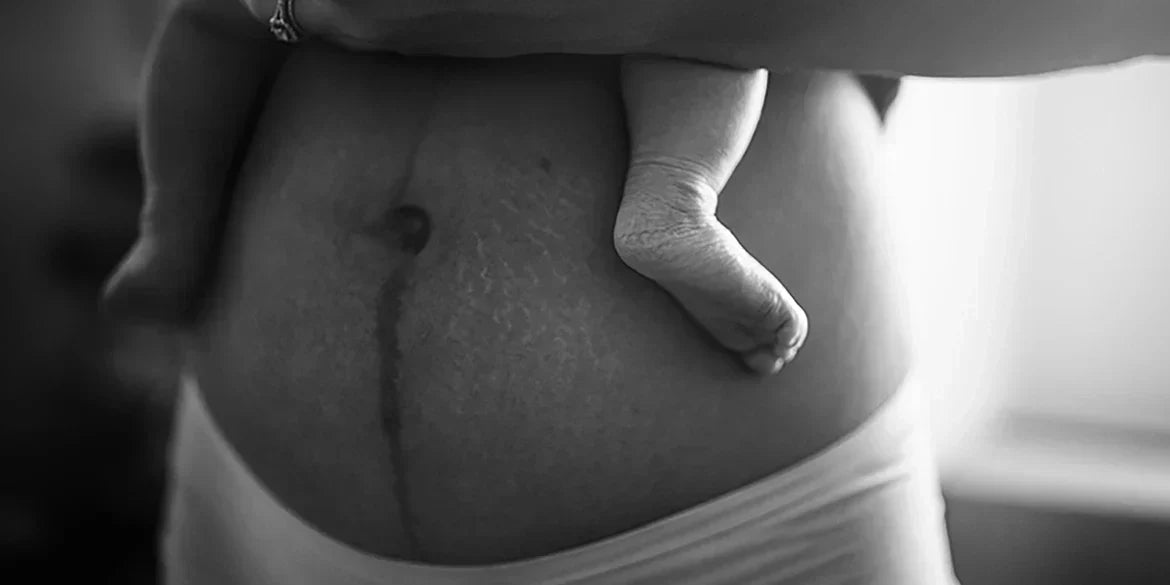
The postpartum period also serves your physical healing. During pregnancy, you went through enormous physical changes. Not only did your belly grow, but all your organs also changed and shifted to make room for your child. During the postpartum period, your body goes through various processes to get back into its old shape – inside and out. For example, your uterus shrinks from around 1000 grams to about 60 to 100 grams within about six weeks. Your cervix closes again, the labia of your vagina recede, and your increased blood volume regulates itself again. The same applies to the bladder, intestines, and your entire hormonal system. In short: during the postpartum period, your body is (once again) achieving something incredible. This takes time. And rest. So continue to treat yourself to a break and stay in bed a lot with your child.
 Hygiene and well-being during the postpartum period
Postpartum is bathrobe time. This doesn't mean that you as new parents have to walk around in bathrobes without showering the whole time. But especially in the first three weeks, you don't really need anything except comfortable clothes (or the bathrobe). In addition, it is quite advisable not to shower every day. Of course, you should wash and keep yourself clean. But the postpartum period is also about getting to know each other's scent in the truest sense. Your baby should get to know (and love) your natural, unperfumed body odor.
Hygiene is, of course, still important. Especially if you as a mom have lochia (postpartum discharge). Although it is not infectious, it still contains a lot of bacteria. Therefore: regular hand washing.
Above all, however, the postpartum period is about the entire family – but especially baby and mom – feeling comfortable. From all the lying down and breastfeeding, the mother can, for example, quickly get tension in the neck and back. Cherry stone pillows or thermal patches help here; or even a massage. For example, there are specialized companies that offer home visits for special postpartum massages for new mothers. Gentle physical therapy exercises can also help with the regeneration of the uterus, intestinal activity, and bladder muscles. Watch out: be sure to speak with your midwife or doctor beforehand. For example, those who had a C-section should refrain from gymnastics for the time being. As a new mother, you should avoid full baths for now. Only if you had an episiotomy can you occasionally take a sitz bath with chamomile extract for relief. Make sure the temperature is 37 degrees Celsius and do not bathe for longer than a maximum of 10 minutes.
Whether you spend four, six, or eight weeks in the postpartum period is up to you. But one thing is clear: you as a new mother, your baby, and also your partner - you need rest. So activate family, friends, and acquaintances to help you out here and there in everyday life during the postpartum period. Accept the help that is now being offered to you from all sides: with shopping, cooking, and also with organizational duties and administrative tasks – such as the parental allowance application or the child benefit application. But also make sure that you don't receive too many visitors and that the hustle and bustle is kept within limits. It is your first time as a family. This special phase in life will not come again. Photo by Aditya Romansa on Unsplash Get help for the postpartum period
Photo by Oleg Sergeichik on Unsplash