

The first period after birth is usually an extreme test of endurance for parents. Your whole life is turned upside down, everything revolves around the baby, and sleep is in short supply. Nerves quickly become frayed. And when the baby just won't stop crying, no matter what you try, it doesn't exactly make the situation better.
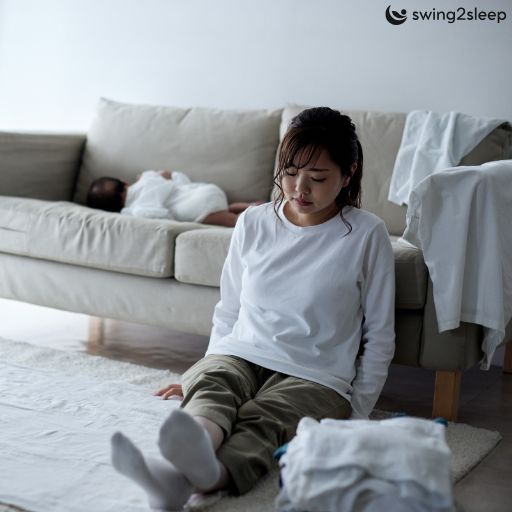
It takes a lot of self-control not to lose it. If the baby is inconsolable or calming the child seems impossible and the parents' attempts remain unsuccessful, this leads to severe exhaustion for caregivers. Often it is first tension and agitation that ultimately lead to anger and rage.
The sleep and wake states, the constant crying, the feelings of helplessness create a vicious cycle that in some cases erupts violently. But the dangers of shaking and jolting affected children are underestimated. Violence against infants and toddlers is child abuse; the consequences of shaken baby syndrome are the most common non-natural cause of death.

Shaken baby syndrome is that dangerous
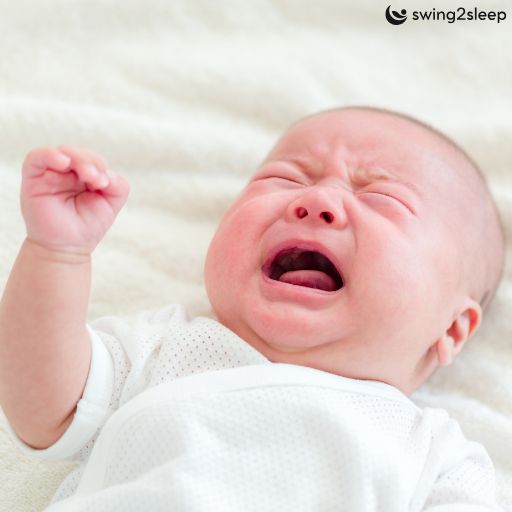
The piercing crying of a baby was designed by nature as an alarm signal. This is presumably the reason why it is one of the hardest sounds to endure, especially for parents. Normally, alarmed parents hurry to eliminate the cause of their protégé's discomfort, and then peace returns.
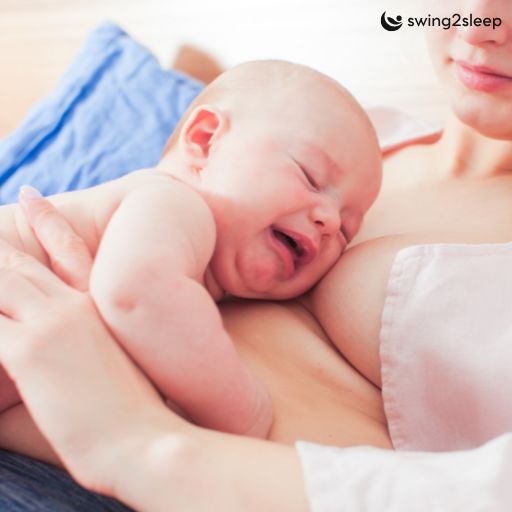
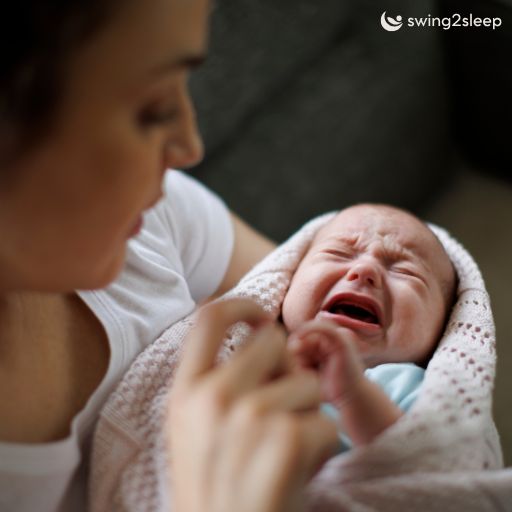
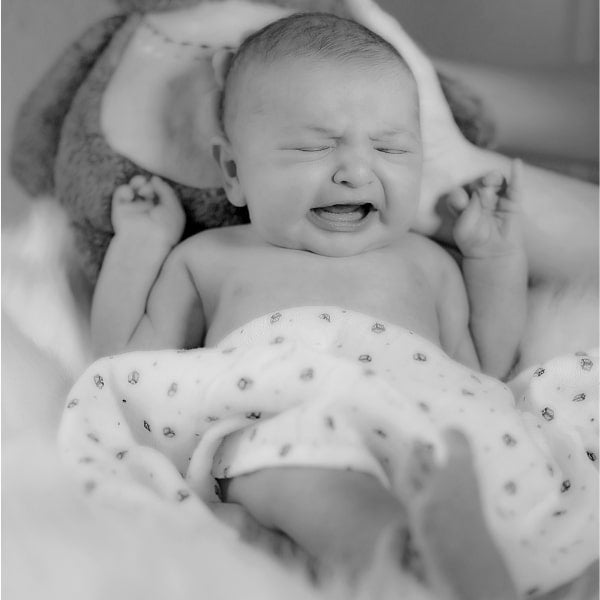
But what if the child simply won't stop crying despite all attempts to soothe them? When the heartbreaking crying pierces the already heavily strained minds of Mom and Dad at all times of the day and night. It is only too understandable that parents no longer know what to do.
Worry, helplessness, and anger alternate, just like the positions in which you carry the baby around—on the shoulder, over the arm, in a sling—there are simply times when nothing, absolutely nothing, seems to help the crying infant.
Unfortunately, that is exactly when there is a danger that Mom or Dad's already heavily strained patience will snap. The anger reaches its peak, and where do you vent the frustration?
On the baby. And this, even though parents actually know very well that their baby can't help crying like that. And that they certainly aren't doing it on purpose or perhaps even to annoy their parents. Especially in the first few months, many crying fits seem unpredictable.
If parents can't soothe them, they don't know what to do about it or exactly where the problem lies—how could they? After all, the baby can't talk yet and say what's wrong. Especially since babies sometimes only cry to express themselves.
The consequence: Year after year, 100 to 200 babies are brought to clinics who have been hit or even shaken by their parents out of pure anger and sheer despair; about 30 percent of shaken children die from the consequences of shaken baby syndrome.
Shaken baby syndrome can be fatal
Since a baby's brain is still quite vulnerable, shaking the child almost always has serious consequences. Of the babies who suffer shaken baby syndrome, half suffer permanent damage – they are severely disabled, blind, or suffer from frequent seizures. Only about 20 percent of infants survive the brain injury unscathed.
So when parents think they would rather shake their child to "bring them to their senses" than hit them, they are under a fatal misconception. When these parents later stand in court, they often admit that they were not aware of the terrible consequences shaking can have.
The conclusion is clear: A child should never, under any circumstances, be mistreated in any way – no matter how much they cry, and no matter how you feel. The damage they can suffer, and which both you and your child will then have to endure, is much more far-reaching than a few weeks of crying.
Shaken baby syndrome: Symptoms and causes
The abuse is not visible from the outside in children suffering from shaken baby syndrome. The following symptoms, which appear first, include vomiting, restlessness, or even lethargy, jumpiness, epilepsy, or heart rhythm disturbances. Doctors learn during their studies to look more closely if shaken baby syndrome is suspected.
What actually happens during shaking?
A baby's head is quite large and, above all, heavy compared to its body, but the neck muscles are not yet well-developed enough to withstand shaking.
During shaking, the head flings back and forth uncontrollably, while at the same time strong acceleration and deceleration forces are created that the infant cannot absorb because of its weak neck muscles. In the process, the brain is thrown back and forth inside the skull.
The consequence: Blood vessels and nerve pathways tear. At the same time, bruising often occurs in the spinal cord. The greatest damage occurs in the baby's neck, where the nerve cells that regulate breathing are located. This means that shaking can lead to prolonged breathing pauses and thus, in turn, to severe brain damage. Bleeding can even occur behind the eyes.

When everything becomes too much: Safe handling of anger and overwhelm
In plain English: Even if you feel like shaking your baby so that they finally settle down, don't do it! The consequences that result from it are far worse than a baby who cannot be calmed for the moment.
They can haunt you and your child for a lifetime. Instead, throw a pillow against the wall, get a punching bag, scream out your anger, but leave your child alone, or rather: let them cry rather than shake them.
Sometimes it helps to leave the crying baby in their crib and walk out of the room. Even if you are alone and don't know what to do, take a short break. The baby will suffer significantly less damage if they have to cry alone for a few minutes than if you shake them!
Go out into the fresh air, count to ten or even a hundred. Walk around the block. Then the world usually looks quite different again. Or call a neighbor, a friend, or another trusted person for help if your partner is not available. Anything is better than shaking!
My dream is to help even more families with a high-need baby with the swing2sleep automatic baby hammock. NO ONE has to shake their child!
Relationship between infant and caregiver
Hold on to the thought: No baby cries for years. Eventually, it stops – promised! Usually, crying in the first months of life indicates intestinal problems or that the infant is in a process of adjustment and maturation.
If your partner is nearby: Simply take turns with the care during this extremely stressful time. You don't both have to be around your crying baby all the time! One tries to comfort them, the other gets a few minutes of downtime.
Because there is also the problem that your baby senses exactly when you are at the end of your rope. They then unfortunately react with even more crying, because your stress is transferred to the child. The parents who have the greatest chance of success in calming children are those who remain calm themselves, even if that admittedly sounds easier than it is.
Be aware that you don't always HAVE to be able to calm your baby. Sometimes it's simply not possible. But be there for your child anyway, so they feel they are not alone with their sorrow.
Maybe you know this from yourself: You too have sorrows from time to time where no one can help you, but where it still feels good if someone is there and comforts you or just holds you in their arms.
Crying clinics and early intervention can often help
If nothing seems to help anymore and you notice that a catastrophe might be brewing because your nerves are shot, seek professional help early on. This could be, for example, a crying clinic in a children's hospital. Here you will get support from experts.
They give you tips on how best to handle your crying baby and, of course, the associated uncertainty, anger, and frustration. The Early Intervention Center can be a safe place to turn, especially in the first few months when you feel helpless.